Clinical Excellence | Gleneagles Hospital Kuala Lumpur

Clinical Excellence

Elevating Healthcare through Value-Driven Outcomes (VDO) Initiatives

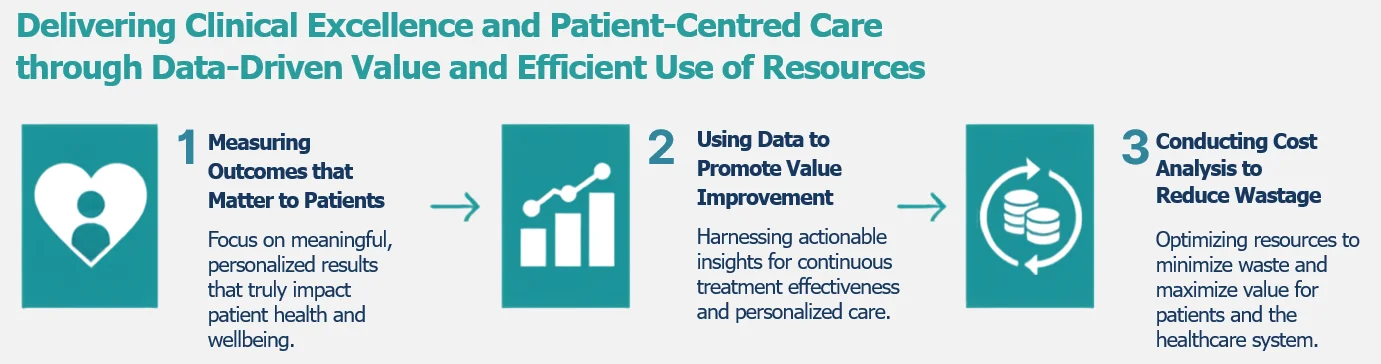
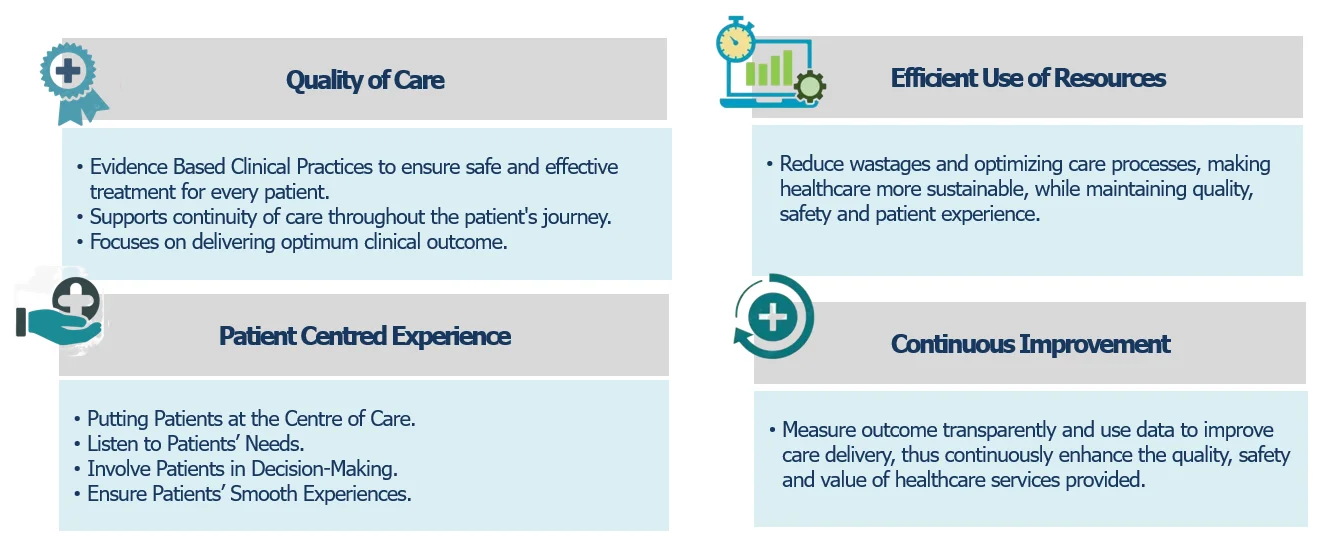
Gleneagles Hospital Kuala Lumpur is committed to deliver Clinical Excellence and Patient-Centred Care. In line with this commitment, we have embraced the Value Driven Outcome (VDO) initiatives, which focuses on achieving Better Clinical Outcomes, Better Patient Experiences, Better Value.
Clinical Excellence

Better Outcomes. Better Experience. Better Value

Value Drive Outcome focuses on delivering better health outcomes and patient experiences while using healthcare resources wisely.
Clinical Excellence Value Thumbnail

Anterior Cruciate Ligament Reconstruction (ACLR) is a surgical procedure in which the damaged ligament is replaced with healthy strong tissue (a graft) taken from an area near the knee.

Knee Arthroscopy is a minimally invasive surgical procedure that can be used to repair or remove damaged structures in the knee joint.

Arthroscopy refers to the technique of inserting small camera through small incisions to view, diagnose and perform certain repairs to the affected area.

Patient’s Journey
Patient visits doctor to determine if ACLR is recommended. Patient is referred for same-day pre-operative physiotherapy. PROMs (IKDC) survey and pre-operative physiotherapy are conducted for the patient in rehab. Patient undergoes surgery in GKL Physiotherapy is administered for the patient during admission until discharge.

The patient attends physiotherapy sessions for three months.

*3 months post-surgery PROMs (IKDC) survey is conducted again to assess the patient's progress.

The patient continues physiotherapy sessions for an additional three months.

*6 months post-surgery PROMs (IKDC) survey is conducted to monitor the patient's progress.

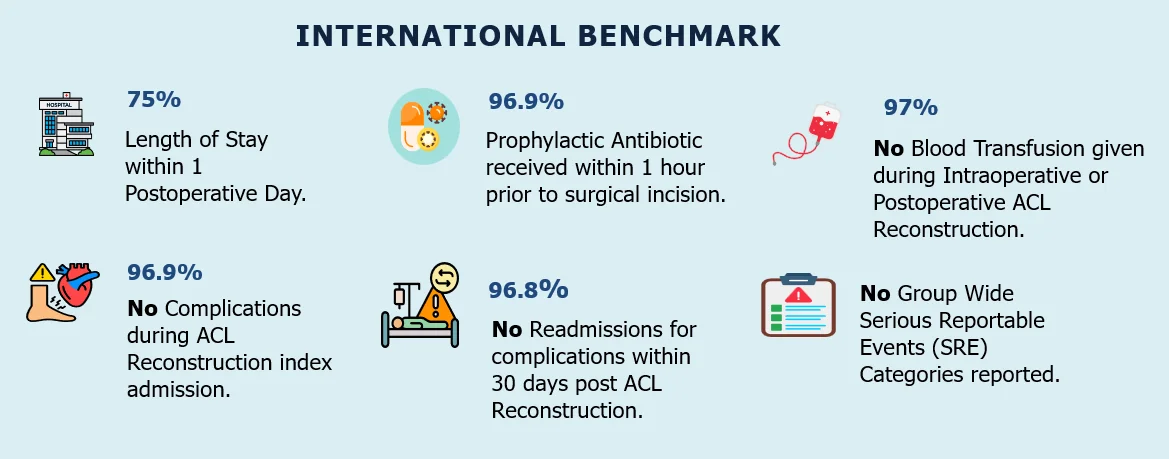
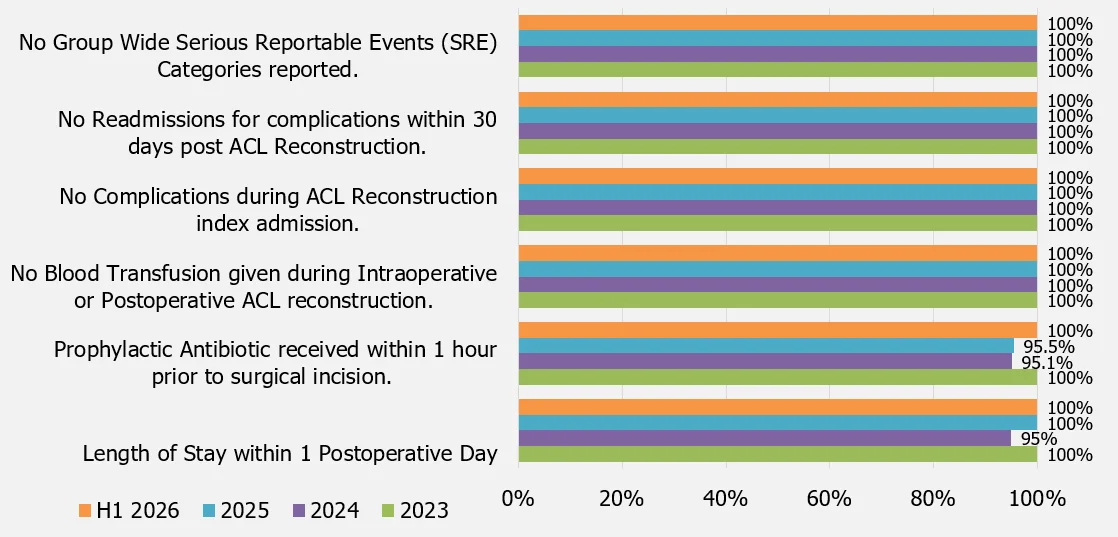
ACLR Surgery Outcomes: Insights
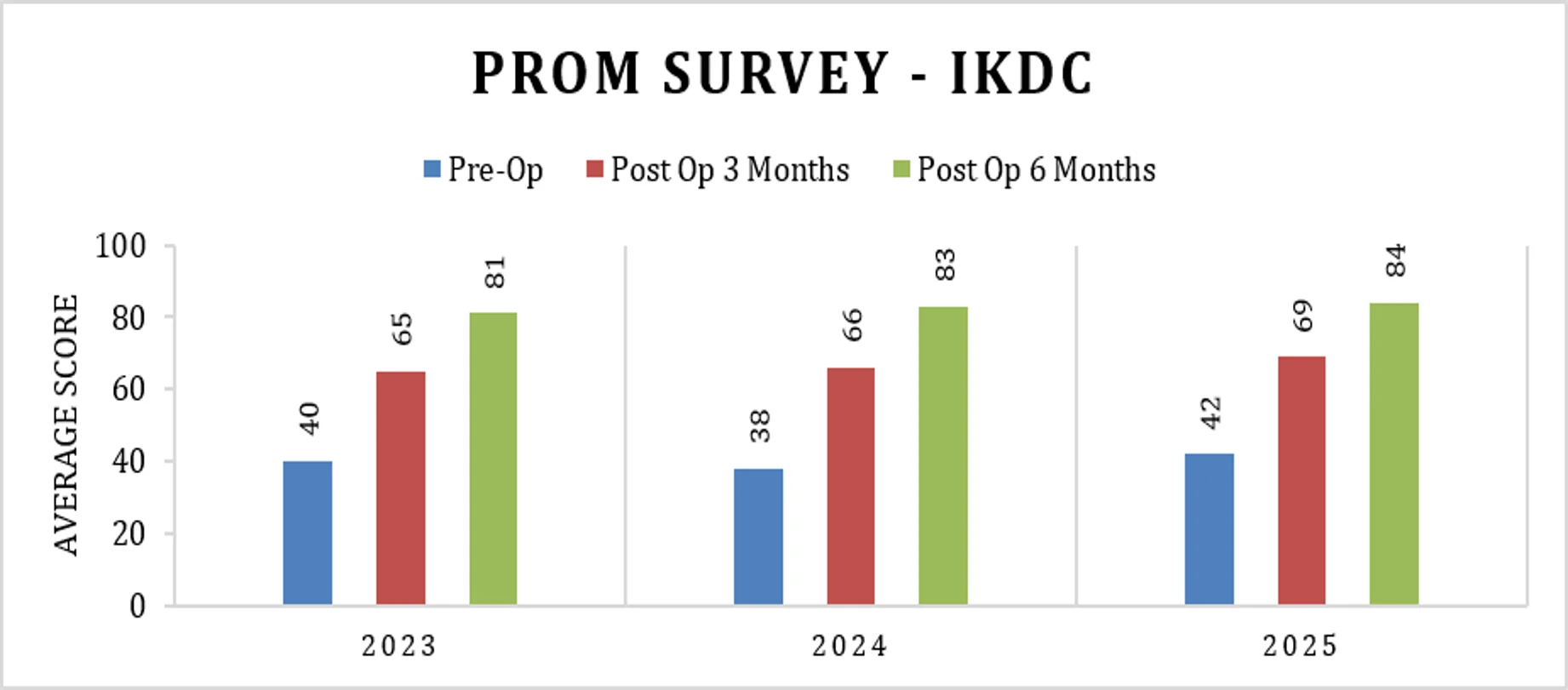
Patient Reported Outcome Measures Survey – International Knee Documentation Committee (IKDC)

The International Knee Documentation Committee (IKDC) score is a PROM that measures knee symptoms, function, and sports activity after ACL reconstruction.

The Minimum Clinically Important Difference (MCID) is the smallest change in your IKDC score that is meaningful to you as a patient. If your score improves by at least the MCID, it means your recovery has made a noticeable and valuable difference in your pain, knee function, or ability to return to daily activities and sports.

For Anterior Cruciate Ligament reconstruction (ACL), we will include the patient’s pre-operative score as a reference point to determine whether their PROM results show improvement at 3 months and 6 months post-operation, as outlined below:

  • MCID at post-operation 3 Month : +6 score
  • Substantial Target at post-operation 6 Month : +17 score
International Benchmark References
  • Nair RS, et al. Analysis of postoperative complications following elective arthroscopic surgeries of the knee- a retrospective cohort study. Annals of Medicine and Surgery. 2022 May; 77: 103546.
  • Jameson SS, et al. Complications following anterior cruciate ligament reconstruction in the English NHS. The Knee. 2012 January; 19(1): 14–19.
  • Lu, et al. Inpatient admission following anterior cruciate ligament reconstruction is associated with higher postoperative complications. Knee Surgery, Sports Traumatology, Arthroscopy. 2020; 28(8): 2486–2493.
  • Boddapati, et al. Procedure length is independently associated with overnight hospital and 30-day readmission following anterior cruciate ligament reconstruction. Knee Surgery, Sports Traumatology, Arthroscopy. 2020; 28(2): 432–438.
  • Crutchfield CR, et al. Operative Time Less Than 1.5 Hours, Male Sex, Dependent Functional Status, Presence of Dyspnea, and Reoperations Within 30 days Are Independent Risk Factors for Readmission After ACLR. Arthroscopy, Sports Medicine, and Rehabilitation. 2022 June.

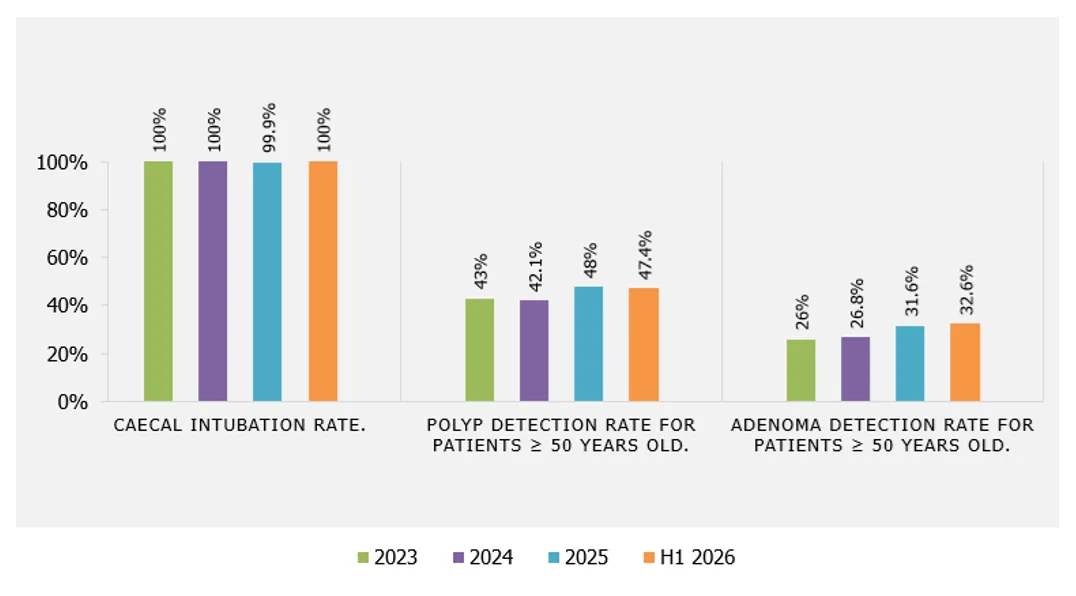
Colonoscopy is an essential procedure for maintaining digestive health and preventing serious conditions. At Gleneagles Hospital Kuala Lumpur, our experienced gastroenterologists use advanced techniques to examine the inner lining of the colon and rectum. This procedure helps detect polyps, tumours, and other abnormalities early, allowing for prompt intervention.

Inclusion factors of Colonoscopy are as follow:

  • Colonoscopy procedures (fibre optic colonoscopy plus/ minus excision/ destruction lesion and colonoscopy with polypectomy)
  • Patients who are going through gastroscopy and colonoscopy in the same session
  • Elective/ daycare colonoscopies

Exclusion factors of Colonoscopy are as follow:

  • Inpatient referrals
  • Emergency Colonoscopy
  • Patients less than 18 years old
  • Patients with hemicolectomy
  • Absconded/ AOR (“at own risk’) discharge
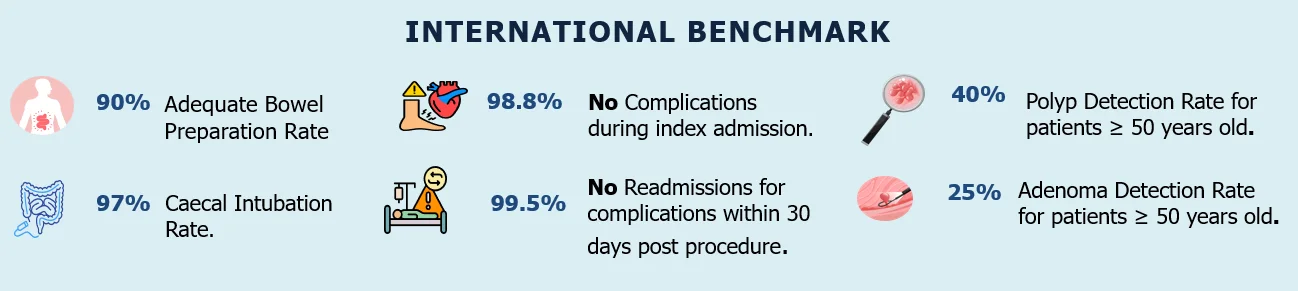
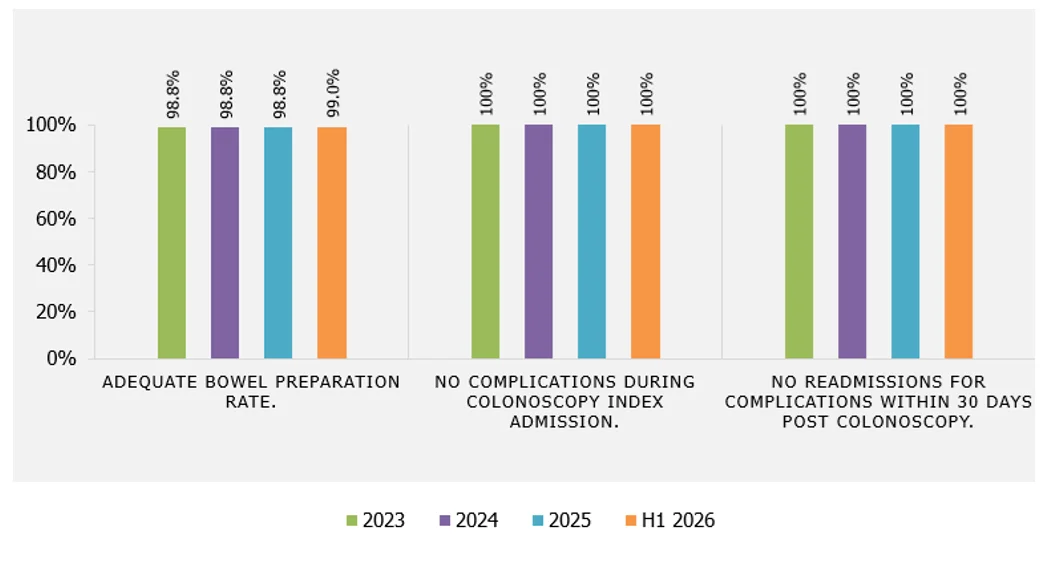
Colonoscopy Outcomes: Insights
International Benchmark References
  • Kaminski MF, et al. Performance measures for lower gastrointestinal endoscopy: a European Society of Gastrointestinal Endoscopy (ESGE) Quality Improvement Initiative. Endoscopy. 2017; 49(4): 378-397.
  • Rex DK, et al. Quality indicators for colonoscopy. Gastrointestinal endoscopy. 2015; 81(1): 31-53.
  • Corley DA, Jensen CD, Marks AR, Zhao WK, Lee JK, Doubeni CA, Zauber AG, De Boer J, Fireman BH, Schottinger JE, Quinn VP. Adenoma detection rate and risk of colorectal cancer and death. New England Journal of Medicine. 2014 Apr 3;370(14):1298-306.
  • UpToDate. Patient education: Colon polyps (Beyond the Basics). [Online].; 2019 [cited 2022 August. Available from: https://www.uptodate.com/contents/colon-polyps-beyond-the-basics

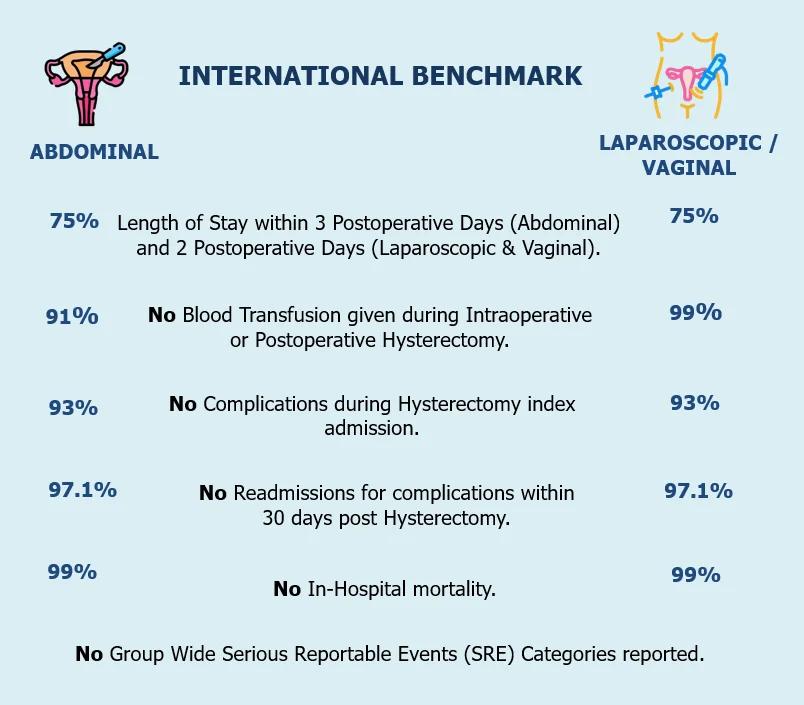
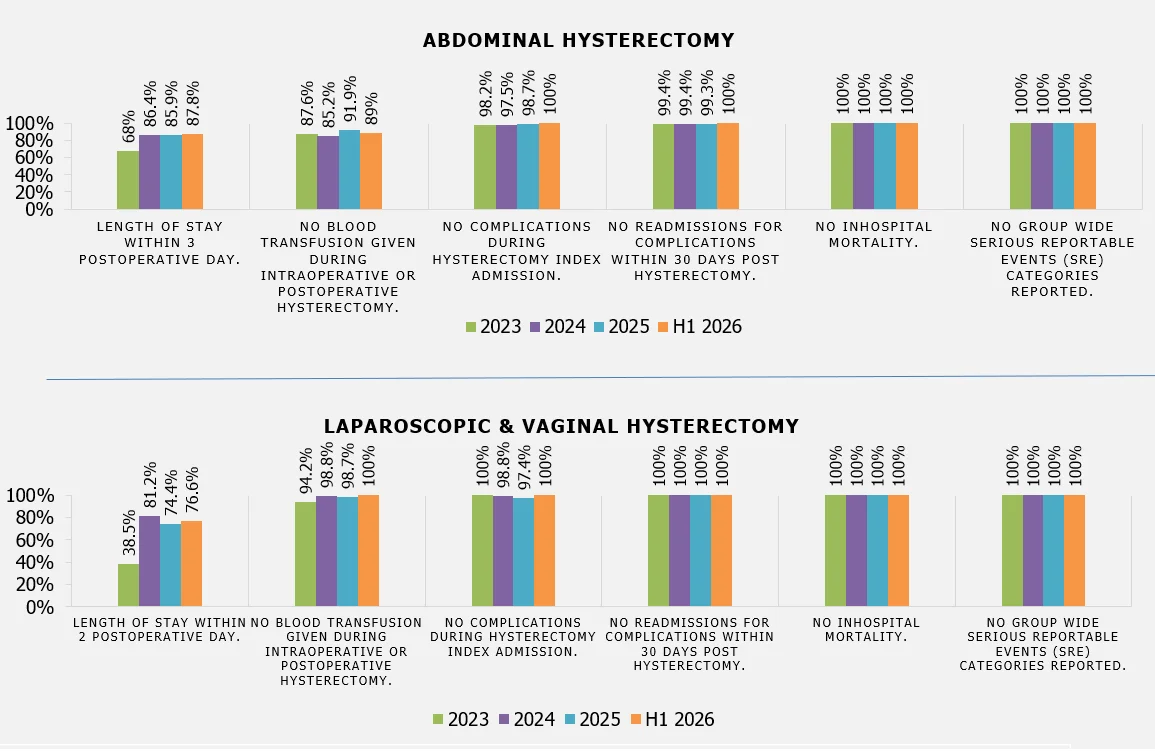
Hysterectomy, a surgical intervention for uterine removal, constitutes a pivotal decision in women's health. At Gleneagles Hospital Kuala Lumpur, we comprehend the gravity of this choice and provide tailored care for conditions like uterine fibroids, endometriosis, abnormal uterine bleeding, and gynaecologic cancer.

Inclusion factors for hysterectomy are as follow:

  • Total Abdominal Hysterectomy
  • Subtotal Abdominal Hysterectomy
  • Hysterectomy and removal of adnexa
  • Vaginal Hysterectomy including laparoscopically assisted
  • Robotic Hysterectomy
  • 3D Laparoscopic Hysterectomy
  • Laparoscopic Hysterectomy/Laparoscopic Hysterectomy + or +/- salpingo-oophorectomy
  • Laparoscopy and Therapeutic procedures including laser, diathermy and destruction e.g., endometriosis, adhesiolysis, tubal surgery and non- cancerous solid tumours
Hysterectomy Outcomes: Insights

Note: The procedures analysed in the graphs above are limited to benign (non-cancerous) cases only.

International Benchmark References
  • Agrawal S, et al. Characteristics associated with prolonged length of stay after hysterectomy for benign gynecologic conditions. AJOG. 2018; 219(1): 89-e1.
  • Stanhiser J, et al. A model to predict risk of blood transfusion after gynecologic surgery. AJOG. 2017; 216(5): 506-e1.
  • Settnes A, et al. Complications after benign hysterectomy, according to procedure: a population-based prospective cohort study from the Danish hysterectomy database, 2004–2015. BJOG: Int. J. Obstet. Gynaecol. 2020; 127(10): 1269-1279.
  • Pepin KJ, et al. Risk of complication at the time of laparoscopic hysterectomy: a prediction model built from the National Surgical Quality Improvement Program database. AJOG. 2020; 223(4): 555-e1.

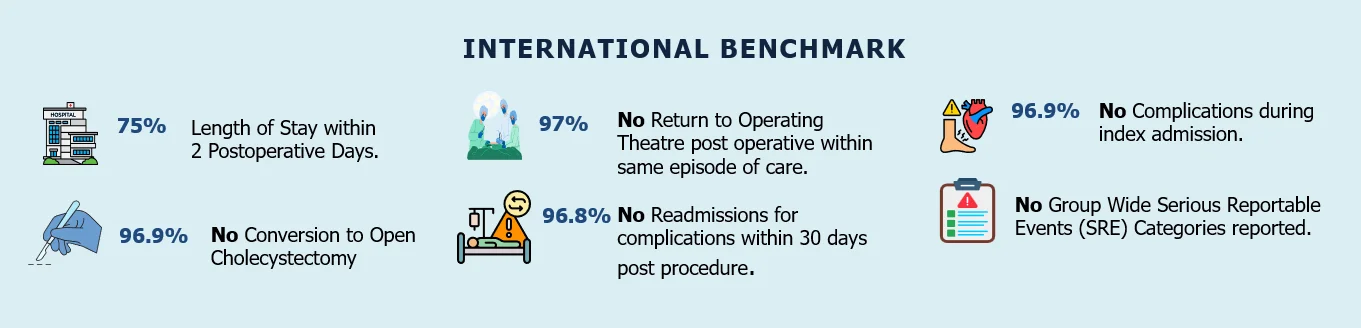
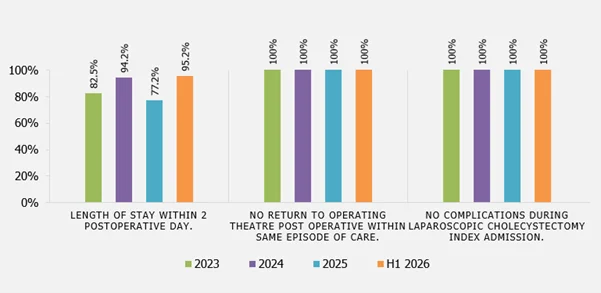
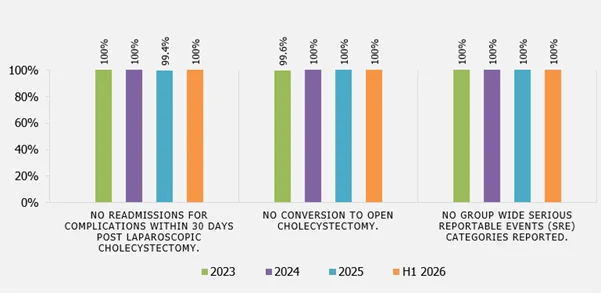
Laparoscopic Cholecystectomy, the surgical removal of the gallbladder, is one of the many procedures where we implement our Value Driven Outcome (VDO) approach. At Gleneagles Hospital Kuala Lumpur, we ensure that this minimally invasive procedure is performed with the utmost precision and care. By utilizing advanced laparoscopic techniques, we minimize patient discomfort, reduce recovery times, and enhance overall surgical outcomes.

Inclusion factors of Laparoscopic Cholecystectomy are as follow:

  • Elective Laparoscopic Cholecystectomy

Exclusion factors of Laparoscopic Cholecystectomy are as follow:

  • Emergency (empyema and gangrenous gallbladder)
  • Open Cholecystectomy
  • Patient under 18 years old
Laparoscopic Cholecystectomy Outcomes: Insights

International Benchmark References
  • Lucocq J, Radhakishnan G, Scollay J, Patil P. Morbidity following emergency and elective cholecystectomy: a retrospective comparative cohort study. Surgical Endoscopy. 2022 February;: 1-7.
  • Pucher PH, Brunt LM, Davies N, Linsk A, Munshi A, Rodriguez HA, et al. Outcome trends and safety measures after 30 years of laparoscopic cholecystectomy: a systematic review and pooled data analysis. Surgical endoscopy. 2018 May; 5(2175–2183): 32.
  • Halawani HM, Tamim H, Khalifeh F, Mailhac A, Jamali FR. Impact of intraoperative cholangiography on postoperative morbidity and readmission: analysis of the NSQIP database. Surgical endoscopy. 2016 December; 30(12): 5395-5403.
  • Pucher PH, Brunt LM, Davies N, Linsk A, Munshi A, Rodriguez HA, et al. Outcome trends and safety measures after 30 years of laparoscopic cholecystectomy: a systematic review and pooled data analysis. Surgical endoscopy. 2018 May; 5(2175–2183): 32.

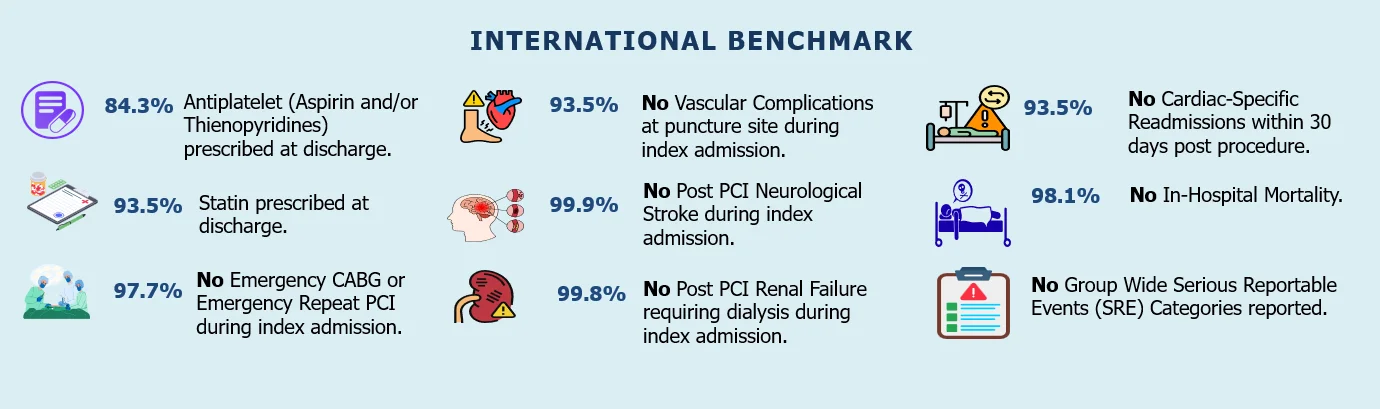
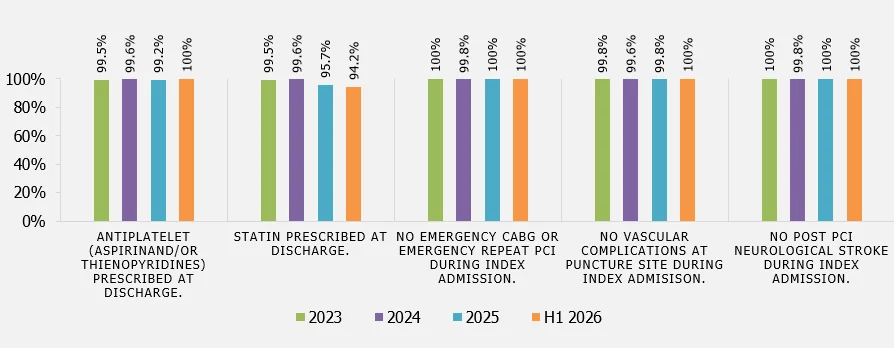
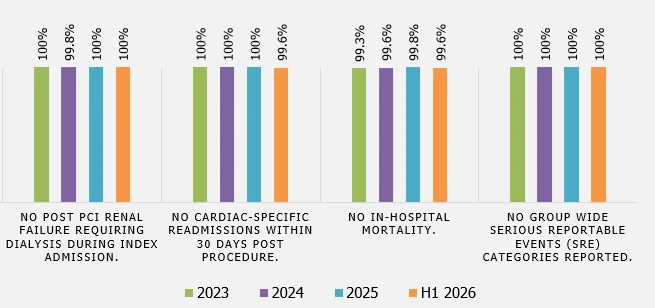
Percutaneous Coronary Intervention (PCI), commonly known as angioplasty, is a minimally invasive procedure used to treat narrowed or blocked coronary arteries, which are responsible for supplying blood to the heart. At Gleneagles Hospital Kuala Lumpur, our highly skilled cardiologists employ cutting-edge technology to perform PCI, helping to restore normal blood flow and reduce the risk of heart attack.

Inclusion factors of Percutaneous Coronary Intervention (PCI) are as follow:

  • Percutaneous Coronary Intervention
  • Percutaneous Coronary Intervention KIV Coronary Angiogram

Exclusion factors of Percutaneous Coronary Intervention (PCI) are as follow:

  • Patients admitted for additional procedures other than PCI or Coronary Angiogram
  • Absconded/AOR (“at own risk”) discharge
  • Patient less than 18 years old and Balloon Therapy without stenting
Percutaneous Coronary Intervention Outcomes: Insights

International Benchmark References
  • Steely AM, et al. Underutilization of antiplatelet and statin therapy after postoperative myocardial infarction following vascular surgery. J Vasc Surg. 2018; 1(279-286): 67.
  • Biswas S, et al. Incidence and Predictors of Unplanned Hospital Readmission after Percutaneous Coronary Intervention. J Clin Med. 2020; 9(10): 3242.
  • Chui PW, et al. Hospital Performance on Percutaneous Coronary Intervention Process and Outcomes Measures. JAHA. 2017; 6(5): e004276.
  • Czarnecki A, et al. Adherence to process of care quality indicators after percutaneous coronary intervention in Ontario, Canada: a retrospective observational cohort study. Open Heart. 2015; 2(1): e000200.
  • Feldman DN, et al. Adoption of Radial Access and Comparison of Outcomes to Femoral Access in Percutaneous Coronary Intervention An Updated Report from the National Cardiovascular Data Registry (2007–2012). Circulation. 2013; 127(23): 2295-2306.
  • Shing Kwok C, et al. Stroke following percutaneous coronary intervention: type-specific incidence, outcomes and determinants seen by the British Cardiovascular Intervention Society 2007-12. EHJ. 2015; 36(25): 1618-28.
  • Brown JR, et al. Incidence and In-Hospital Mortality of Acute Kidney Injury (AKI) and Dialysis-Requiring AKI (AKI-D) after Cardiac Catheterization in the National Inpatient Sample. JAHA. 2016; 5(3): e002739.
  • Mohamed MO, et al. In-Hospital and 30-Day Mortality After PCI in England in the Pre-COVID and COVID Eras. J Invasive Cardiol. 2021; 33(3).
  • Tamrakar R, et al. TIMI (Thrombolysis in Myocardial Infraction) flow grade in STEMI after Primary Percutaneous Intervention. EJMS. 3(1):61-66.
  • Mehta R, et al. American College of Cardiology–National Cardiovascular Database Registry Investigators. Clinical significance of post-procedural TIMI flow in patients with cardiogenic shock undergoing primary percutaneous coronary intervention. JACC: Cardiovascular Interventions. 2009 Jan; 2(1): 56-64.

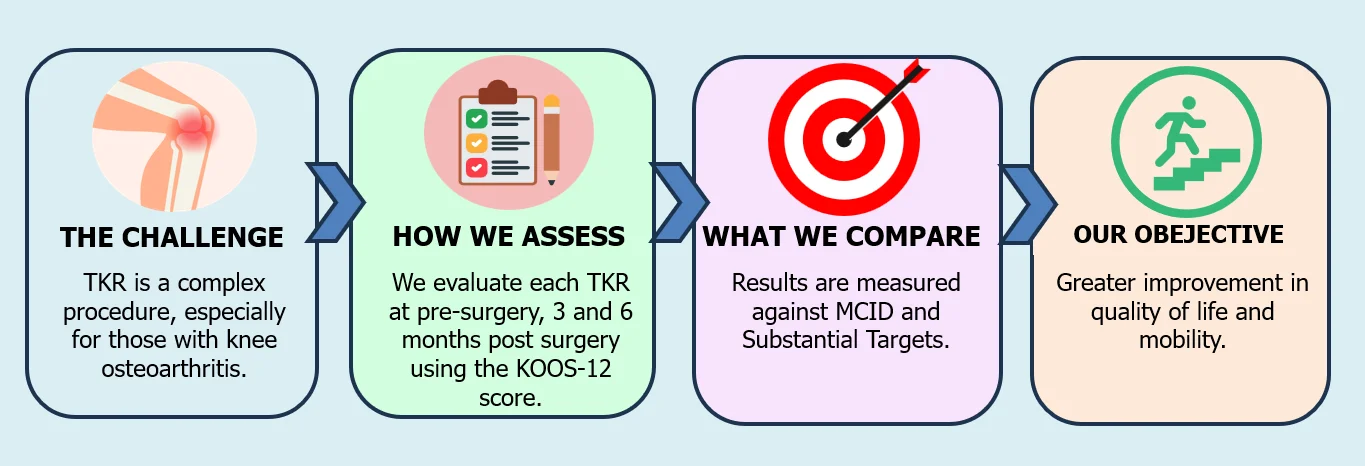
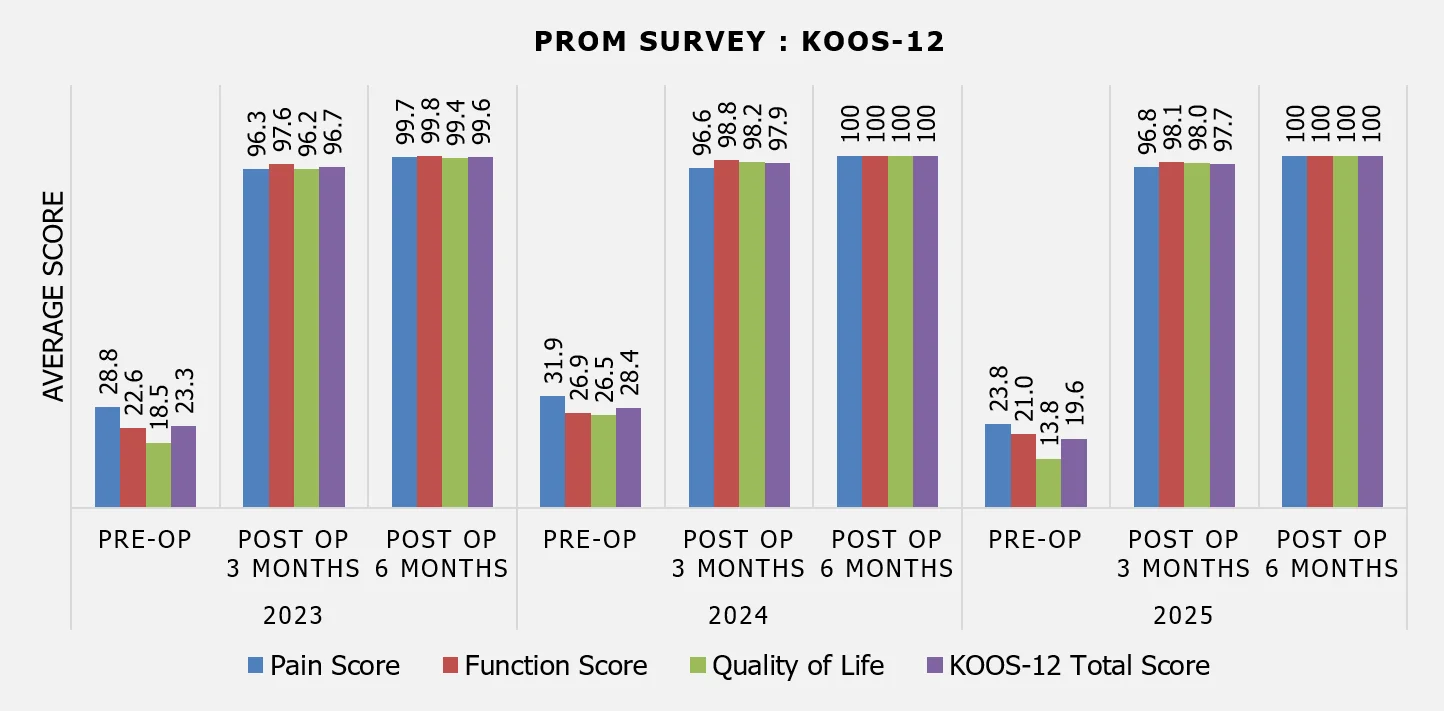
Knee surgery, particularly Total Knee Replacement (TKR), is a complex procedure, especially for those suffering from knee osteoarthritis. At Gleneagles Hospital Kuala Lumpur, we recognize the challenges and prioritize the patient's voice in our approach to outcomes. We meticulously evaluate each TKR surgery at 3-month and 6-month intervals, utilizing the Knee Injury and Osteoarthritis Outcomes Score (KOOS-12) to measure and compare results against Minimal Clinically Important Difference (MCID) and Substantial Targets.

Patient’s Journey
Patient visits doctor to determine if TKR is recommended. Patient is referred for same-day pre-operative physiotherapy. PROMs (KOOS-12) survey and pre-operative physiotherapy are conducted for the patient in rehab. Patient undergoes surgery in GKL Physiotherapy is administered for the patient during admission until discharge.

The patient attends physiotherapy sessions for three months.

*3 months post-surgery PROMs (KOOS-12) survey is conducted again to assess the patient's progress.

The patient continues physiotherapy sessions for an additional three months.

*6 months post-surgery PROMs (KOOS-12) survey is conducted to monitor the patient's progress.


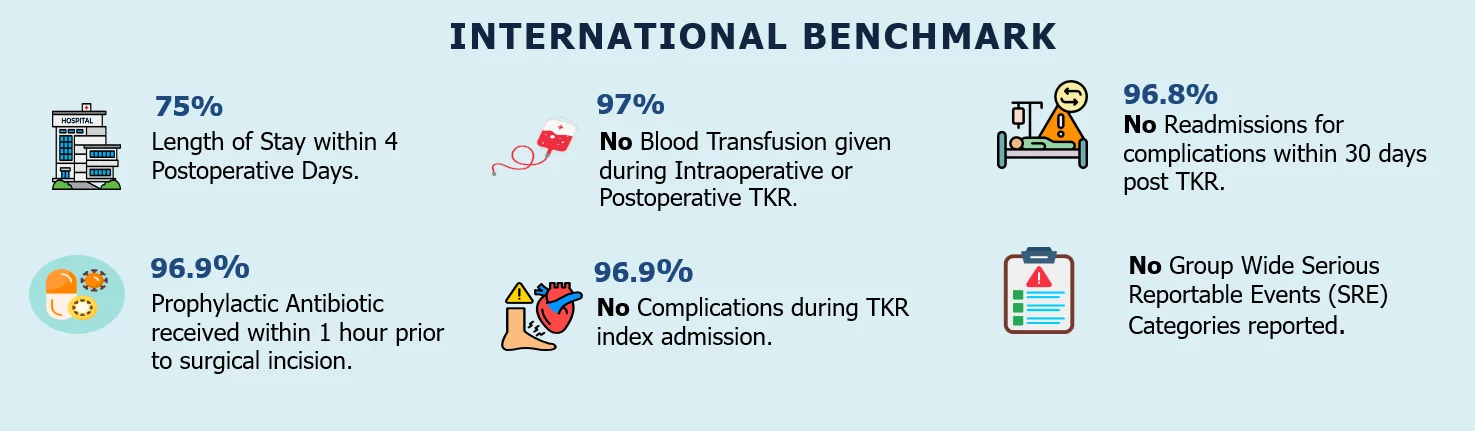
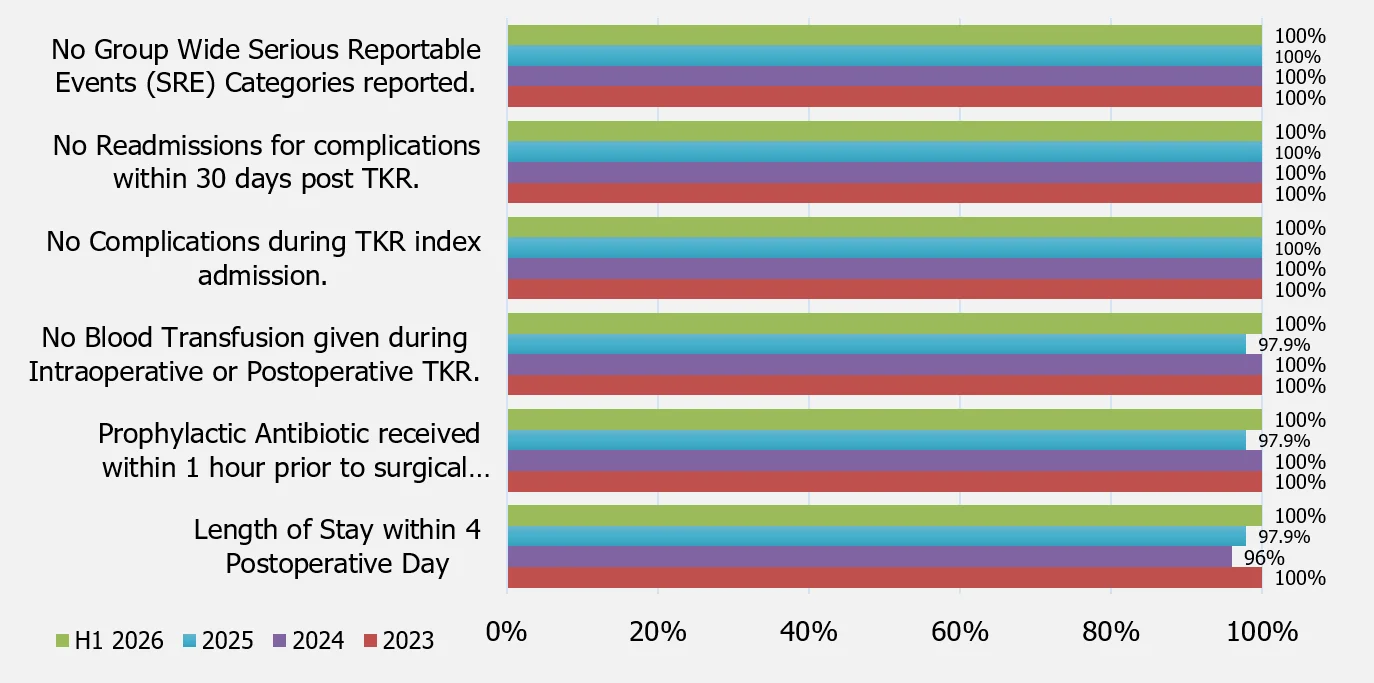
Unilateral Total Knee Replacement Outcomes: Insights
Patient Reported Outcome Measures (PROMs) Survey – Knee Injury and Osteoarthritis Outcomes Score (KOOS-12)

Through Knee Injury and Osteoarthritis Outcomes Score Survey (KOOS-12), we carefully measure our patient’s perception of health and functional wellbeing post-TKR surgery. PROMs are standardized questionnaires completed by patients, providing insights into health perception and functional well-being. The hospital conducts these surveys before and after treatment to understand any changes in the patient’s condition and quality of life. Working closely with patients and clinicians, PROMs give us a full picture of our patients' health and identify opportunities for continuous improvement.

The Minimum Clinically Important Difference (MCID) is a benchmark used in healthcare to determine whether a change in your PROM score reflects a meaningful improvement in your daily life. Rather than looking only at numerical changes, MCID helps indicate whether you feel better whether that is less pain, improved mobility, or better function after TKR surgery. Reaching the MCID means your recovery progress is noticeable and clinically valuable.

For Total Knee Replacement (TKR), we will include the patient’s pre-operative score as a reference point to determine whether their PROM results show improvement at 3 months and 6 months post-operation, as outlined below:
  • KOOS Pain Score total score MCID baseline : + 13.5 points
  • KOOS Function Score total score MCID baseline : + 15.2 points
  • KOOS QoL (Quality of Life) Score total score MCID baseline : + 8.0 points
  • KOOS-12 total score MCID baseline : + 11.1 points
International Benchmark References
  • Del-Moral-Luque JA, et al. Antibiotic prophylaxis adequacy in knee arthroplasty and surgical wound infection: Prospective cohort study. Revista Española de Cirugía Ortopédica y Traumatología (English Edition). 2017; 61(4), 259-264.
  • Papalia R, et al. Length of Hospital Stay after Total Knee Arthroplasty: A Correlation Study on 1200 Patients. Journal of Clinical Medicine. 2022; 11(8), 2114.
  • Owens, et al. Risk Factors for Post-Operative Blood Transfusion Following Total Knee Arthroplasty. The Iowa Orthopaedic Journal. 2020; 40(1): 69–73.
  • Heo SM, et al. Complications to 6 months following total hip or knee arthroplasty: observations from an Australian clinical outcomes registry. BMC Musculoskeletal Disorders. 2020; 21(1), 1-11.
  • Curtis GL, et al. Incidence, Causes, and Timing of 30-Day Readmission Following Total Knee Arthroplasty. The Journal of Arthroplasty. 2019; 34(11), 2632-2636.
  • MCID Reference:
    Van der Wees, P.J., Wammes, J.J.G., Akkermans, R.P. et al. Patient-reported health outcomes after total hip and knee surgery in a Dutch University Hospital Setting: results of twenty years clinical registry. BMC Musculoskelet Disord 18, 97 (2017). https://doi.org/10.1186/s12891-017-1455-y
    Lizaur-Utrilla, A., Gonzalez-Parreño, S., Martinez-Mendez, D. et al. Minimal clinically important differences and substantial clinical benefits for Knee Society Scores. Knee Surg Sports Traumatol Arthrosc 28, 1473–1478 (2020). https://doi.org/10.1007/s00167-019-05543-x, https://d-nb.info/1212656903/34

Hand Hygiene Data

In the pursuit of healthcare excellence, Gleneagles Hospital Kuala Lumpur places a distinct emphasis on a fundamental yet crucial aspect, hand hygiene. More than just a regulatory requirement, our commitment to maintaining the highest standards of cleanliness by embracing the principle of "clean hands save lives."

Through the diligent efforts of our infection control nurses, who conduct random observations during their daily rounds, we ensure that hand hygiene practices are upheld across diverse staff members, spanning nurses, doctors, allied health, and housekeeping personnel, particularly in patient wards. With an unwavering dedication to this core principle, our hand hygiene data consistently surpasses industry benchmarks, reflecting our steadfast commitment to creating a safe and hygienic environment for the benefit of our patients and the entire healthcare community.
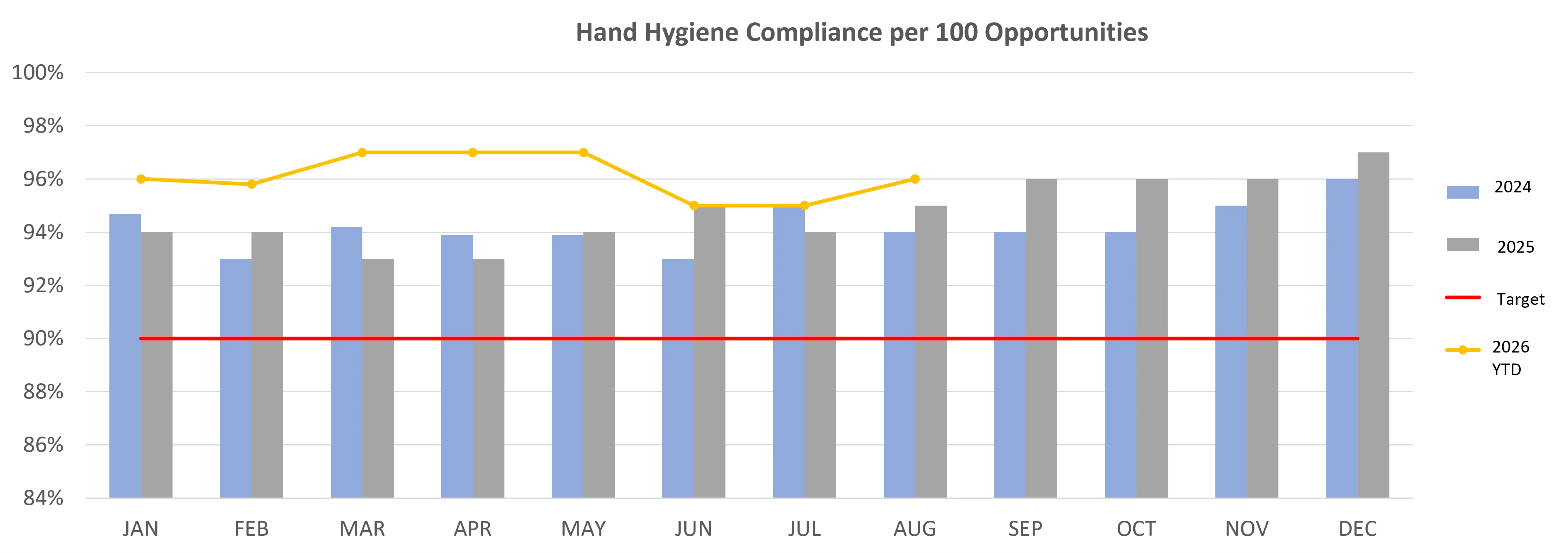
Hand Hygiene Outcomes: Insights

Average Yearly Compliance

2024: -94%
2025: -96%
2026 YTD: - 96%

Benchmark: -90%

Loading...

Wait a minute

Image Popup
Loading...

Wait a minute

Image Popup