Hospitals
Specialties & Packages
Health Hub
Patients & Visitors



 EN
EN
 e-Shop
 Find A Doctor
 Request an Appointment
 International Patient
 +604 222 9111
 +604 222 9199



Anaemia is one of the most common blood-related conditions worldwide, and it occurs when the body does not have enough healthy red blood cells to carry oxygen to tissues and organs. When oxygen delivery is reduced, the body struggles to function efficiently, leading to symptoms like fatigue, weakness, pale skin and shortness of breath. Although anaemia can affect people of all ages, it is especially common among women, growing children, individuals with chronic illnesses and those with poor dietary intake.
Red blood cells contain haemoglobin, a protein rich in iron that binds to oxygen. In anaemia, either the number of red blood cells is too low, or the haemoglobin level is insufficient. As a result, your organs receive less oxygen, which causes the body to feel tired or unable to tolerate physical activity.
Anaemia is not a disease by itself but a sign that something else is happening in the body. Identifying the underlying cause is key to proper treatment.
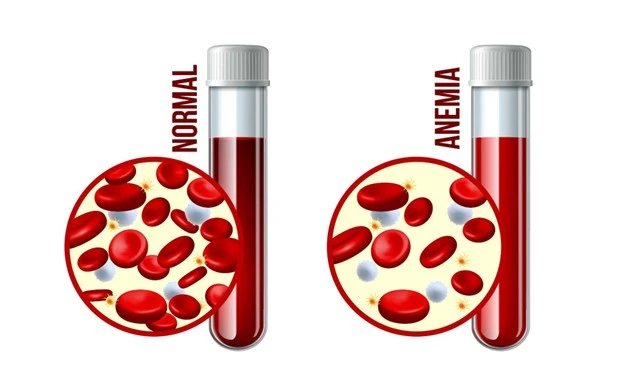
Anaemia develops for various reasons. The most frequently seen causes include:
Iron-deficiency anaemia is the most widespread type globally. It occurs when the body lacks enough iron to produce haemoglobin. Poor diet, heavy menstrual bleeding, pregnancy, gastrointestinal bleeding or reduced iron absorption can all contribute.
The body also needs vitamins such as B12 and folate to form healthy red blood cells. A deficiency in these nutrients can lead to megaloblastic anaemia, where red blood cells become large and abnormal, reducing their ability to carry oxygen efficiently.
Long-term illnesses such as kidney disease, cancer, autoimmune conditions or infections can interfere with red blood cell production, leading to anaemia of chronic disease.
Some conditions—like aplastic anaemia, myelodysplastic syndromes or blood cancers—affect the bone marrow’s ability to produce red blood cells.
Inherited disorders such as thalassaemia or sickle cell disease can cause chronic anaemia due to abnormalities in haemoglobin structure or red blood cell shape.
Symptoms vary depending on the severity and underlying cause, but common signs include:
In mild cases, anaemia may go unnoticed until detected through a routine blood test.
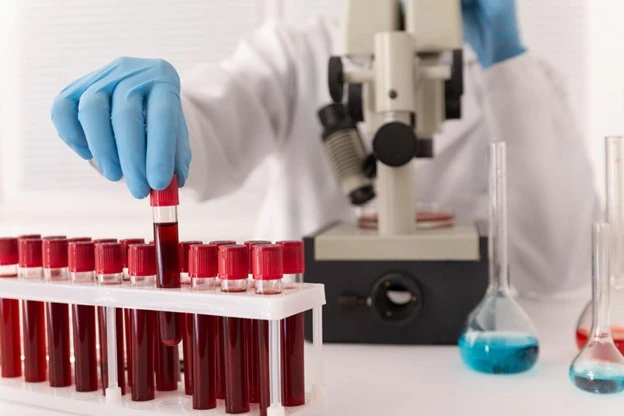
A doctor will usually begin with a complete blood count (CBC) to check haemoglobin levels, red cell size and number. Additional tests may include:
Identifying the precise cause helps guide appropriate treatment.
Treatment depends on the underlying issue:
For iron-deficiency anaemia, iron tablets are often prescribed, along with iron-rich foods such as red meat, spinach, lentils and fortified cereals.
Vitamin B12 or folate supplements may be necessary for deficiency-related anaemia. In some cases, injections are required.
Managing chronic kidney disease, inflammation or autoimmune conditions can help improve anaemia linked to long-term health problems.
For severe cases, options may include blood transfusions, intravenous iron therapy or bone marrow treatments depending on the diagnosis.
Adopting healthy habits can reduce the risk of anaemia:
If you experience persistent tiredness, breathlessness, paleness or unusual weakness, it is important to consult a healthcare professional. Early detection of anaemia allows for effective treatment and prevents complications.
If you're concerned about symptoms of anaemia, whether it’s iron deficiency, vitamin B12 or folate deficiency, or hemolytic anaemia, reach out to us. The experienced haematology specialists are here to guide you through a proper diagnosis and create a treatment plan that works for you. Whether you're feeling tired, weak, or experiencing other symptoms, we’re here to help. Contact us to make an appointment today for a consultation, or stop by our Haematology Department at Gleneagles Hospital Penang.

Wait a minute
Wait a minute