Hospitals
Specialties & Packages
Health Hub
Patients & Visitors



 EN
EN
 e-Shop
 Find A Doctor
 Request an Appointment
 International Patient
 +604 222 9111
 +604 222 9199


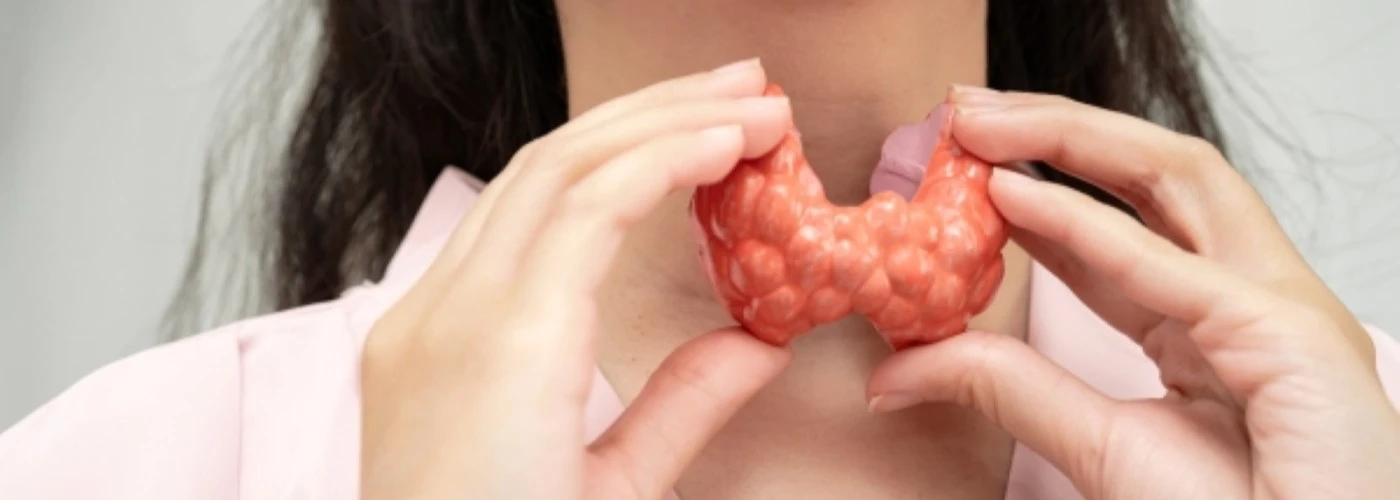
If you require thyroid surgery, you may be pleased to know that advanced surgical techniques now allow the thyroid to be removed without leaving a visible scar on the neck. This guide explains what scarless thyroidectomy is, who may benefit from it, and what to expect from the procedure.
The thyroid is a small, butterfly-shaped gland located at the front of the neck. It produces hormones that regulate metabolism, energy levels, heart rate and body temperature.
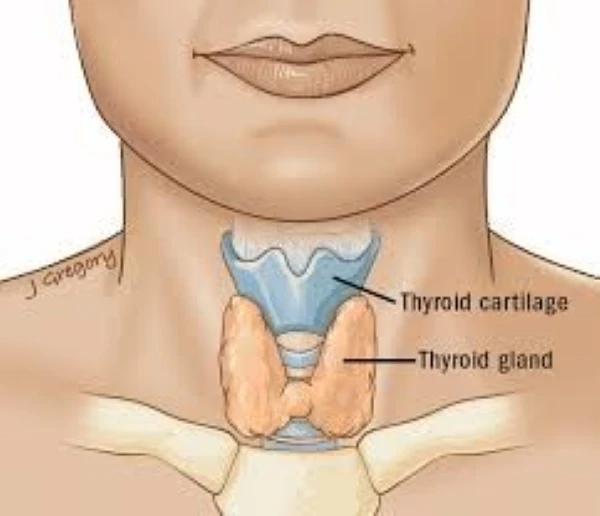
Traditionally, thyroid surgery requires an incision on the front of the neck, leaving a visible scar. Scarless thyroidectomy uses minimally invasive (keyhole) techniques, placing incisions in hidden areas or natural openings of the body—resulting in no visible neck scar.
There are two main approaches:
How it works: Surgeons make tiny incisions inside the lower lip. Using an endoscope (a thin camera-guided instrument), the surgeon accesses the thyroid gland through this natural pathway.
Key Benefit: No visible scar at all — all incisions are inside the mouth.
Visual Suggestion: An illustration showing the path of the endoscopic instruments from the incisions inside the mouth down to the thyroid gland.
How it works: Incisions are made in discreet areas away from the neck, such as:
Key Benefit: Small scars are present but strategically hidden in skin creases or areas usually covered by clothing, making them barely noticeable.
Visual Suggestion: A diagram of a human figure with arrows pointing to the armpit, behind the ear, and the upper chest, indicating the possible incision sites.
Superior Cosmetic Result: No visible neck scar.
Less Post-Operative Pain: Smaller incisions typically mean less pain and discomfort.
Faster Recovery: Allowing an earlier return to daily activities
Scarless thyroidectomy is an excellent option for many. Here’s a quick guide for this option:
|
Candidate Who Fit For This Surgery Choice |
Candidate Who May Not Be Suitable For |
|
Small to moderate thyroid swellings (generally under 4cm) |
Very large thyroid glands |
|
Some small thyroid cancers |
Large thyroid cancer nodules (which may need to be removed in one piece) |
|
Patients concerned about a visible neck scar |
Patients with certain anatomical variations or previous neck surgeries |
All thyroid surgeries, including traditional ones, carry some risks. Scarless techniques have been shown to be as safe as conventional open surgery.
Voice Changes: If the nerve controlling the vocal cords is affected.
Calcium Level Issues: If the nearby parathyroid glands are disturbed.
Temporary Chin Numbness: due to proximity to sensory nerves
(This is usually temporary and minimized with meticulous surgical technique.)
Visual Suggestion: A simple table comparing the risks of traditional vs. scarless thyroidectomy, showing they are comparable.




Wait a minute
Wait a minute