EN
EN
 e-Shop
 Find A Doctor
 Request an Appointment
 International Patient
 Emergency Contact



Hospitals
Specialties & Packages
Our Services
Health Hub
Patients & Visitors
Partner



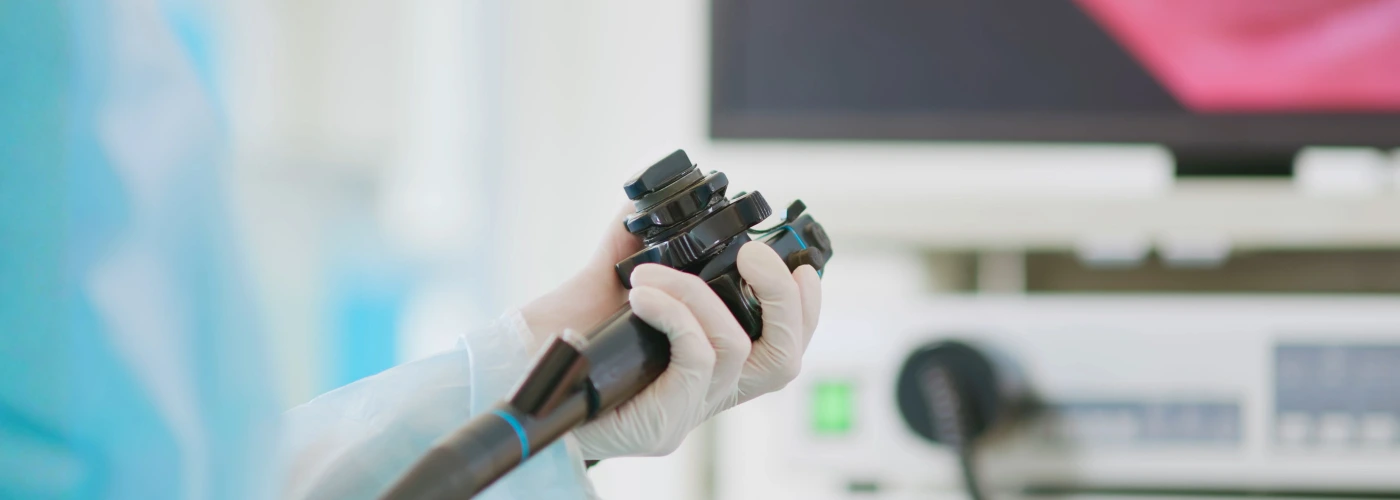
Endoscopy is a key medical procedure that examines the internal organs and body structures. Doctors can view the inside of the body without needing big incisions using a flexible tube equipped with a light and camera (Boese et al., 2022). This non-invasive diagnostic tool has transformed how medical professionals evaluate a range of health conditions. At Gleneagles Hospitals, one of the top healthcare providers in Malaysia, endoscopy procedures are conducted with the latest technology, providing patients accurate, early diagnoses for many conditions, specifically those concerning the digestive system. Gastroenterology specialists at Gleneagles Hospitals rely on endoscopy to detect and manage diseases such as acid reflux, ulcers, and even cancer.
Gastroscopy, sometimes referred to as an upper endoscopy, is one of the most common kinds of endoscopic procedures. This procedure is used to examine the upper gastrointestinal tract, including the esophagus, stomach, and the first segment of the small intestine called the duodenum.
A thin, flexible tube called an endoscope is carefully inserted through the mouth and into the stomach during a gastroscopy. There is a camera at the tip of the tube, letting the gastroenterology specialist get a clear view of the digestive tract’s lining.
Gastroscopy is frequently used to examine symptoms such as persistent indigestion, nausea, or pain. It can also aid in diagnosing ulcers, gastritis, acid reflux, and, in certain cases, stomach cancer.
The procedure is minimally invasive and normally takes less than half an hour. Gastroscopy has a shorter recovery time than traditional surgery; this means patients can go back to their usual routines much faster.
Colonoscopy is another important endoscopic procedure used to examine the large intestine (colon) and rectum. It is regarded as the top standard for identifying colorectal issues, including early cancer signs.
To inspect the entire colon, a flexible tube—similar to the one used for a gastroscopy—is slotted into the rectum. The colonoscope has a camera that provides sharp pictures of the colon's interior walls.
Colonoscopy is primarily used to detect colorectal cancer, identify polyps, and diagnose conditions such as Crohn's disease or ulcerative colitis. It is typically recommended for individuals over 50 years of age or those with a family history of colorectal cancer.
Abnormal growths or cancer can be detected by colonoscopy before symptoms show up, which notably elevates the chances of effective treatment (Stauffer & Pfeifer, 2021). Doctors can prevent cancer from developing by removing polyps during the procedure.
Endoscopic ultrasound (EUS) merges endoscopy with ultrasound technology to show detailed images of the digestive tract and neighbouring organs. Standard endoscopy cannot reach deeper layers of tissue, but this method can diagnose complex gastrointestinal conditions and become invaluable.
An endoscope with an ultrasound probe is slotted into the body, allowing the specialist to see high-resolution images of the digestive system and nearby structures like the pancreas, liver, and bile ducts.
EUS is specifically helpful in diagnosing pancreatic cancer, liver disease, and bile duct disorders. It is also used to examine lymph nodes and identify abnormal masses in the digestive system.
EUS offers increased precision in diagnosing diseases that may be challenging to identify with other imaging techniques. It lets specialists extract tissue samples (biopsies), if needed, for further analysis.
Depending on what type of procedure you are undergoing, preparing for an endoscopy can differ. However, certain general guidelines apply to most endoscopic procedures.
An empty stomach or colon leads to optimal viewing; this is why patients are normally requested to fast for at least 6-8 hours. Before the procedure, your doctor will also inform you about any medications you may need to stop taking.
Local anaesthesia or sedation is normally used to perform endoscopic procedures to ensure that the patient stays comfortable. Depending on the procedure, the gastroenterology specialist will insert the endoscope into the body through either the mouth or rectum and carefully examine the area of concern.
Most patients recover fast after endoscopy, although, depending on the type of procedure, mild bloating, gas, or a sore throat may occur. It is necessary to follow the post-procedure care instructions given by your doctor. In certain cases, if sedation was used, you may be required to stay for observation (WHO, 2023).
Both are forms of endoscopy, but they examine distinct areas of the digestive system. Gastroscopy examines the upper gastrointestinal tract (esophagus, stomach, duodenum), while colonoscopy examines the colon and rectum.
Endoscopy is overall a safe procedure, with minimal risks. Possible risks include infection, bleeding, or perforation of the gastrointestinal tract, but these are rare complications. The procedure is done by experienced specialists to reduce these risks.
You will, in most cases, need to avoid eating or drinking for 6-8 hours before an endoscopy. This ensures a clear digestive tract, offering the best potential conditions for the procedure.
The type of endoscopy determines the recovery time, but most patients can continue normal activities within 24 hours. Any discomfort or bloating normally resolves on its own soon after the procedure.
Yes, endoscopy is a tool that is highly effective in identifying cancer signs early on, specifically in the digestive system. A biopsy can be taken for further analysis if any suspicious areas are found during the procedure.
Some different endoscopy procedures include:-
6.1. Bronchoscopy - Visualisation and assessment of lung tumours and other lung diseases, taking biopsies under image guidance, or managing narrowing of bleeding.
6.2. Small Bowel Endoscopy - Using special over tubes with inflatable balloons for a visualisation of the small bowel or a motorised spiral to pull and pleat the intestine onto the enteroscope.
6.3. Thoracoscopy - Visualisation of the pleural cavity or the lungs through a tiny incision in the chest wall.
6.4. Others are Neurological endoscopy, Urological Endoscopy, Arthroscopy, Gynaecological Endoscopy, Ear, Nose and Throat Endoscopy, Robotic Endoscopy Systems and Mediastinoscopy.
Endoscopy is a necessary and non-invasive procedure that offers gastroenterology specialists at Gleneagles Hospitals detailed insights into a patient's digestive health. Whether it is for routine screening or addressing certain symptoms, endoscopy plays an important role in the initial detection and management of many gastrointestinal conditions. If you have digestive discomfort or if you are due for a screening, do not wait—consult with a specialist today. Schedule an appointment for a vaccination consultation or health screening via our website or by downloading the MyHealth360 application from theGoogle Play Store orApple App Store.
Boese, A., Wex, C., Croner, R., Liehr, U. B., Wendler, J. J., Weigt, J., Walles, T., Vorwerk, U., Lohmann, C. H., Friebe, M., & Illanes, A. (2022). Endoscopic Imaging Technology Today. Diagnostics, 12(5), 1262. https://doi.org/10.3390/diagnostics12051262
Stauffer, C. M., & Pfeifer, C. (2021). Colonoscopy. PubMed; StatPearls Publishing. https://www.ncbi.nlm.nih.gov/books/NBK559274/
World Health Organization (WHO), 2023.Endoscopy: A Key Tool in Digestive Health Diagnostics.

Wait a minute