Hospitals
Specialties & Packages
Health Hub
Patients & Visitors




 EN
EN
 e-Shop
 Find A Doctor
 Request an Appointment
 International Patient
 +603 4141 3000
 +603 4141 3131


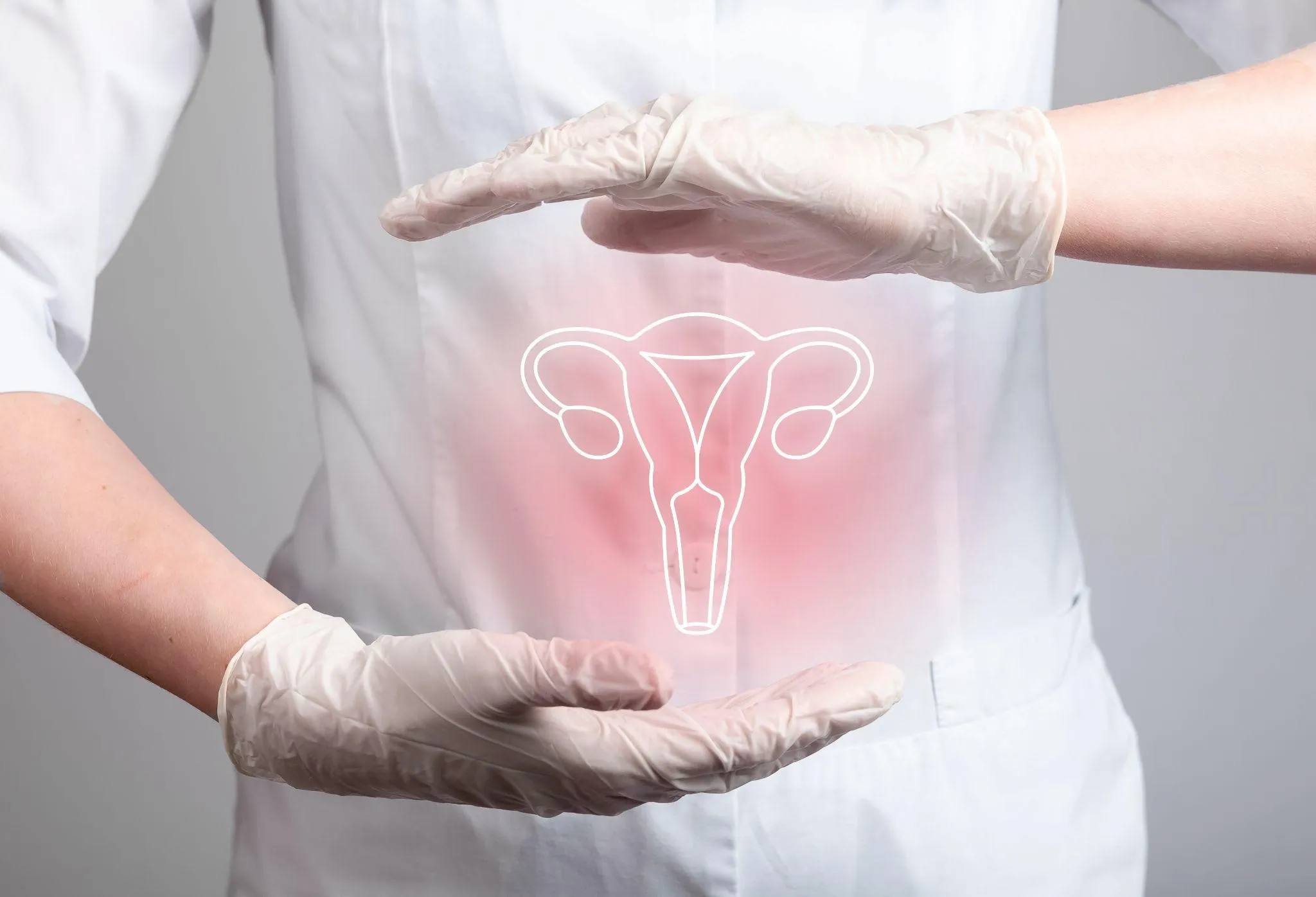
Genital herpes is one of the most common sexually transmitted infections (STIs) worldwide. Many women might not even know they carry the virus because symptoms can be mild or hidden. What’s often overlooked, however, is how routine Pap smears play a vital role in protecting women’s reproductive health — especially for those who have been exposed to herpes or other infections.
Genital herpes is caused by two types of the herpes simplex virus — HSV-1 and HSV-2. Both can spread through direct skin contact, and once infected, the virus stays in the body for life. Some people experience painful sores, itching, or blisters around the genital or anal area, while others show almost no symptoms. Because of this, the infection often goes unnoticed and may unknowingly be passed to others.
Outbreaks tend to happen when the immune system is weak, during stress, or with hormonal changes such as menstruation. Although the infection itself doesn’t cause cancer, it can irritate the cervix, which makes regular Pap smear tests even more important for ongoing care.
A Pap smear (or Pap test) is a simple, painless procedure that checks for abnormal or precancerous cells on the cervix. While it does not directly detect herpes, it helps doctors identify other issues that may develop due to chronic irritation or inflammation — both of which can occur with recurrent herpes infections.
Here’s why Pap smears remain crucial for women’s sexual and reproductive health:
Inflammation from infections, including herpes, can sometimes alter cervical cells. Regular Pap smears help spot these cervical changes early before they become serious.
Women who have had genital herpes might experience cervicitis (inflammation of the cervix). A Pap smear helps the doctor monitor whether that inflammation has affected cervical tissue.
Even if you feel healthy or haven’t noticed outbreaks, Pap smears remain one of the best preventive tools against cervical problems — including cervical cancer caused by HPV (human papillomavirus), another common STI.
Women who are pregnant and have a history of genital herpes should have their cervical health monitored closely. Pap smears, along with other prenatal tests, ensure the cervix stays healthy throughout pregnancy and before delivery.
The pap smear test just takes a few minutes and is typically done in a doctor's office as part of a pelvic examination. The stages before the pap smear process would be explained to you by your doctor.
In order to view the cervix and upper part of the vagina, the doctor will do the test by inserting a device known as the speculum into the vagina to enlarge it.
A cytobrush is used to extract cervix cells from the inner section of the cervix, while a spatula (Ayre's spatula) is used to gently swab the lower area of the cervix to collect cell samples. After being collected, the sample is put in a liquid preservative and delivered to the lab for analysis.
Making an appointment while you are not menstruating is advised.
In the event that you get a pap smear test in the next two days:
During the Pap smear procedure, it is recommended to wear comfortable attire, and to bring a reading or listening device. If you experience any pain or discomfort throughout the operation, don't be scared to let your doctor know.
No cell alterations in your cervix are indicated by normal or negative results. Until your next scheduled test, no additional testing is necessary.
HPV is most likely the source of abnormal alterations. Low-grade squamous intraepithelial lesions are modest, while high-grade squamous intraepithelial lesions are severe. Mild alterations could go away on their own. The most severe alterations are frequently referred to as "precancers" because, although they are not yet malignant, they may eventually turn into the disease.
Rarely, an aberrant Pap smear could be a sign of cancer or another serious illness. Additional testing will be required to confirm the diagnosis. Cervical cancer is more treatable the earlier it is identified.
In uncommon circumstances, the results might not be obvious, and your doctor could suggest that you retake the test in 12 weeks.
If a woman develops sores or unusual irritation, doctors may run several tests:
While herpes cannot be completely cured, antiviral medications such as acyclovir or valacyclovir can reduce outbreaks and transmission risk. Practising safe sex, maintaining a healthy lifestyle, and keeping stress levels in check also help prevent recurrences.
Caring for your reproductive health means looking beyond immediate symptoms. Even if you have never had visible herpes outbreaks, regular Pap smear screenings — as advised by your doctor — can detect early cell changes before they develop into something more serious.
Women aged 21 and above are generally advised to begin Pap smear testing every three years (or as recommended by a gynaecologist). For those who are sexually active, especially with a history of herpes or other STIs, keeping up with these screenings provides reassurance and peace of mind.
Genital herpes may sound alarming, but with the right medical care and consistent health screenings, it can be effectively managed. If you notice any unusual discharge, itching, or sores, don’t ignore them — book an appointment with your doctor or gynaecologist. They may recommend both herpes testing and a Pap smear to ensure your cervix remains healthy.
Your cervical health is too important to leave unchecked. A regular Pap smear is not just a test — it’s your best protection for long-term wellbeing.
Get in touch with us to book an appointment with a Gynaecologist, or schedule a Pap smear test at Gleneagles Hospital Kuala Lumpur today. We assure you the best possible care tailored to your specific needs.

Wait a minute
Wait a minute