Hospitals
Specialties & Packages
Health Hub
Patients & Visitors




 EN
EN
 e-Shop
 Find A Doctor
 Request an Appointment
 International Patient
 +603 4141 3000
 +603 4141 3131


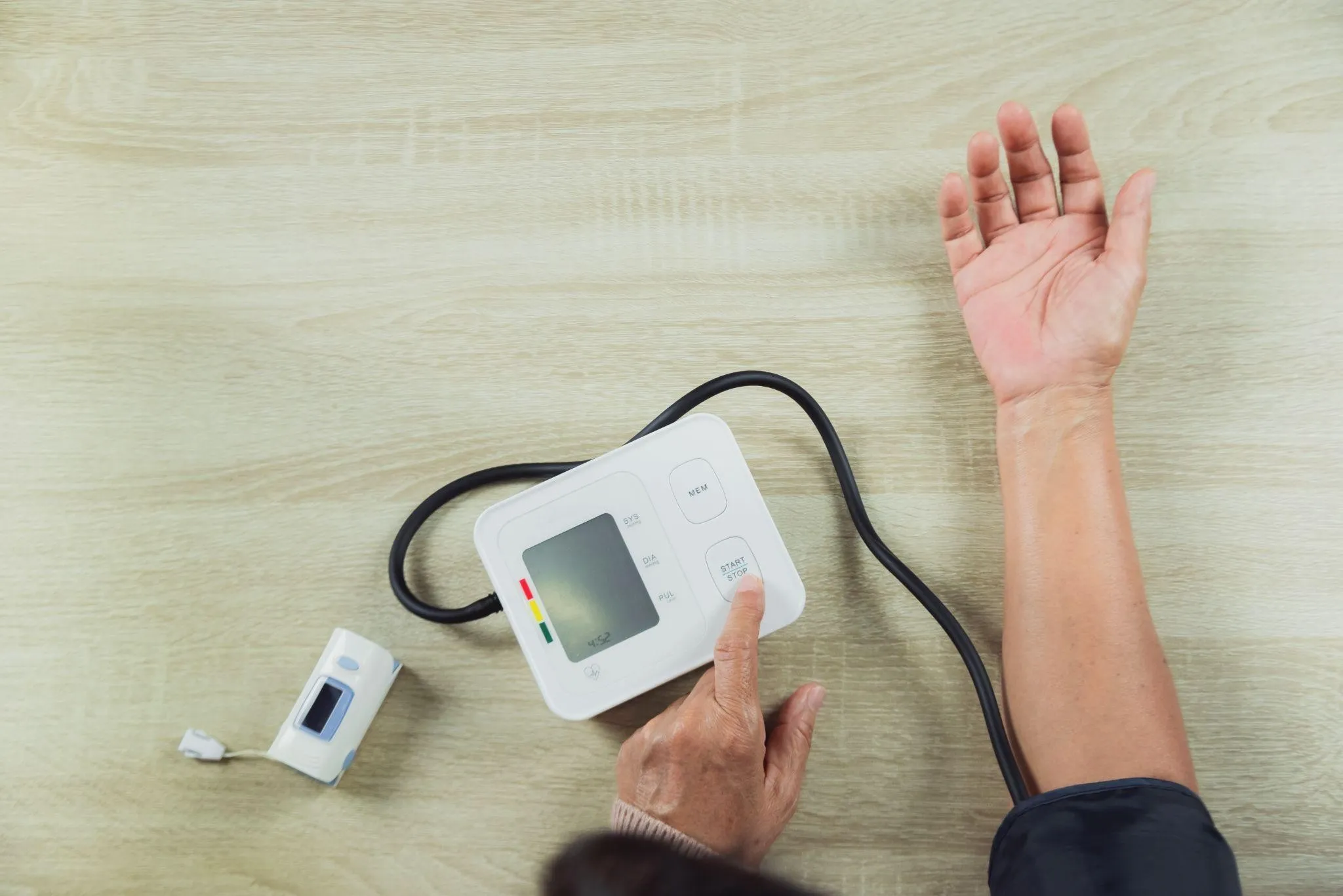
Blood pressure represents the force of circulating blood pushing against the walls of your arteries. It is expressed as two numbers — for example, 120/80 mmHg. The upper number, called systolic pressure, shows the pressure when your heart contracts, while the lower number, or diastolic pressure, indicates the pressure when your heart relaxes between beats.
Among healthcare professionals, a reading around 120/80 mmHg is often cited as the benchmark for normal blood pressure. This range suggests that your cardiovascular system is functioning efficiently without straining your heart or blood vessels.
Maintaining blood pressure within a healthy range helps prevent long-term damage to your arteries and vital organs. When readings climb consistently above recommended levels, it may indicate hypertension, a condition that silently increases the risk of heart attack, stroke, and kidney failure. On the other hand, low blood pressure can cause dizziness, fainting, or fatigue — particularly if blood flow to the brain is reduced.
Regularly monitoring your readings provides valuable insight into how well your body is regulating blood pressure. Understanding your numbers empowers you to take early action if your results start moving away from the ideal zone.
While “normal” values serve as a general guideline, individual factors such as age, lifestyle, stress, and medical conditions can cause variation. Health experts commonly classify readings as follows:
These categories help doctors determine the right treatment or lifestyle plan for each person.
Blood pressure levels depend on a delicate balance between the heart, blood vessels, hormones, and kidneys. The body’s internal systems constantly adjust vessel diameter, fluid buildup, and heart rate to maintain equilibrium. Stress, dehydration, excess salt, or lack of sleep can all disrupt this balance.
When these mechanisms function well, your body naturally keeps readings close to the normal blood pressure range, ensuring that oxygen and nutrients reach tissues effectively.
Some practical ways that can help you maintain a normal blood pressure level, includes:
Small daily adjustments make a lasting difference. Even losing a few kilograms or cutting down salt intake can help bring elevated readings closer to the normal range.
Achieving and maintaining normal blood pressure is more than hitting a perfect number on a monitor — it’s about protecting your long-term heart health. Consistent balance within this range reduces the workload on your heart, improves circulation, and lowers the risk of chronic disease.
By making conscious lifestyle choices and keeping track of your readings, you gain greater control over your well-being. Remember, blood pressure isn’t static — it changes with your emotions, activity level, and daily routine. The goal is not perfection but stability over time. With regular care, professional guidance, and a healthy mindset, you can stabilise your blood pressure and keep your heart in its best condition.
A dedicated and expert team of Cardiologists at Gleneagles Hospital Kuala Lumpur is available for consultation to provide the best care and assistance. Get in touch with us to book an appointment, or visit our Heart Specialist Clinic today if you have any concerns or questions regarding high or low blood pressure.

Wait a minute
Wait a minute