Hospitals
Specialties & Packages
Health Hub
Patients & Visitors



 EN
EN
 e-Shop
 Find A Doctor
 Request an Appointment
 International Patient
 +603 4141 3000
 +603 4141 3131


.webp?sfvrsn=d757ae0d_9)
Hearing that your child may have a heart condition can feel overwhelming. In those first moments, it’s natural for fear to take over. But understanding what Congenital Heart Disease (CHD) really is, and how it can be treated, often brings comfort, confidence, and hope.
CHD refers to structural problems with the heart that are present at birth, and it’s more common than many parents realise, affecting about 1 in every 100 babies. These differences may involve the heart walls, valves, or blood vessels. Sometimes it’s as simple as a small “hole in the heart” that closes on its own, while in other cases, more complex treatment is required.
The good news is that with today’s advances in Paediatric Cardiac services most children with CHD can grow up to be healthy, active, and independent.
Spotting the Signs Early
Some babies show symptoms right after birth, while others develop them later. Warning signs include:
Diagnosis tools:
From Watchful Waiting to Surgery
Treatment depends on the severity of the condition:
Every child’s journey is unique, but with timely treatment, many recover fully and thrive.
Growing Up With CHD
Having CHD doesn’t mean growing up with limits. With proper medical care they’ve given a second chance to lead a normal life
When to See a Specialist
Parents should seek medical advice if:
Brighter Futures, Stronger Hearts
Congenital Heart Disease can sound daunting, but with early diagnosis, modern treatments, and continuous care, children today have brighter, healthier futures than ever before.
If you have concerns about your child’s heart health, don’t wait, speak to our Paediatricians and Cardiothoracic Surgeons at Gleneagles Hospital Kuala Lumpur. We are here to guide you through every step of the journey.
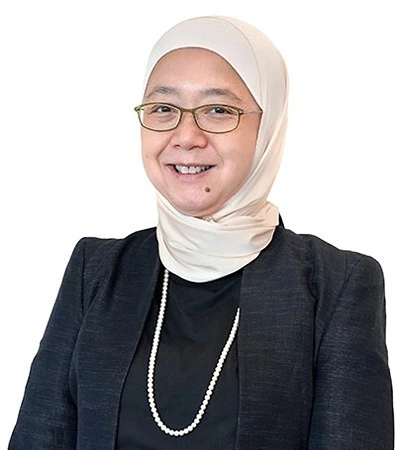
Cardiothoracic Surgeon
Gleneagles Hospital Kuala Lumpur

Wait a minute
Wait a minute