Hospitals
Specialties & Packages
Health Hub
Patients & Visitors




 EN
EN
 e-Shop
 Find A Doctor
 Request an Appointment
 International Patient
 +603 4141 3000
 +603 4141 3131



Hearing plays a vital role in how we communicate, connect, and experience the world.
A cochlear implant is a specialised medical device designed to help individuals with severe to profound hearing loss hear sounds by directly stimulating the hearing nerve.
Unlike hearing aids, which amplify sound, cochlear implants bypass damaged parts of the inner ear and send signals directly to the brain via the electrical signal from the electrode that is inserted into the cochlea.
In many cases today, patients may benefit from bilateral cochlear implants, meaning implants in both ears. This approach, combined with advanced technology such as the Nucleus® Nexa™ Smart Cochlear Implant, can provide a more natural and balanced hearing experience.
Understanding how cochlear implants work, their components, and the benefits of bilateral implantation can help patients and families make informed decisions about hearing restoration.
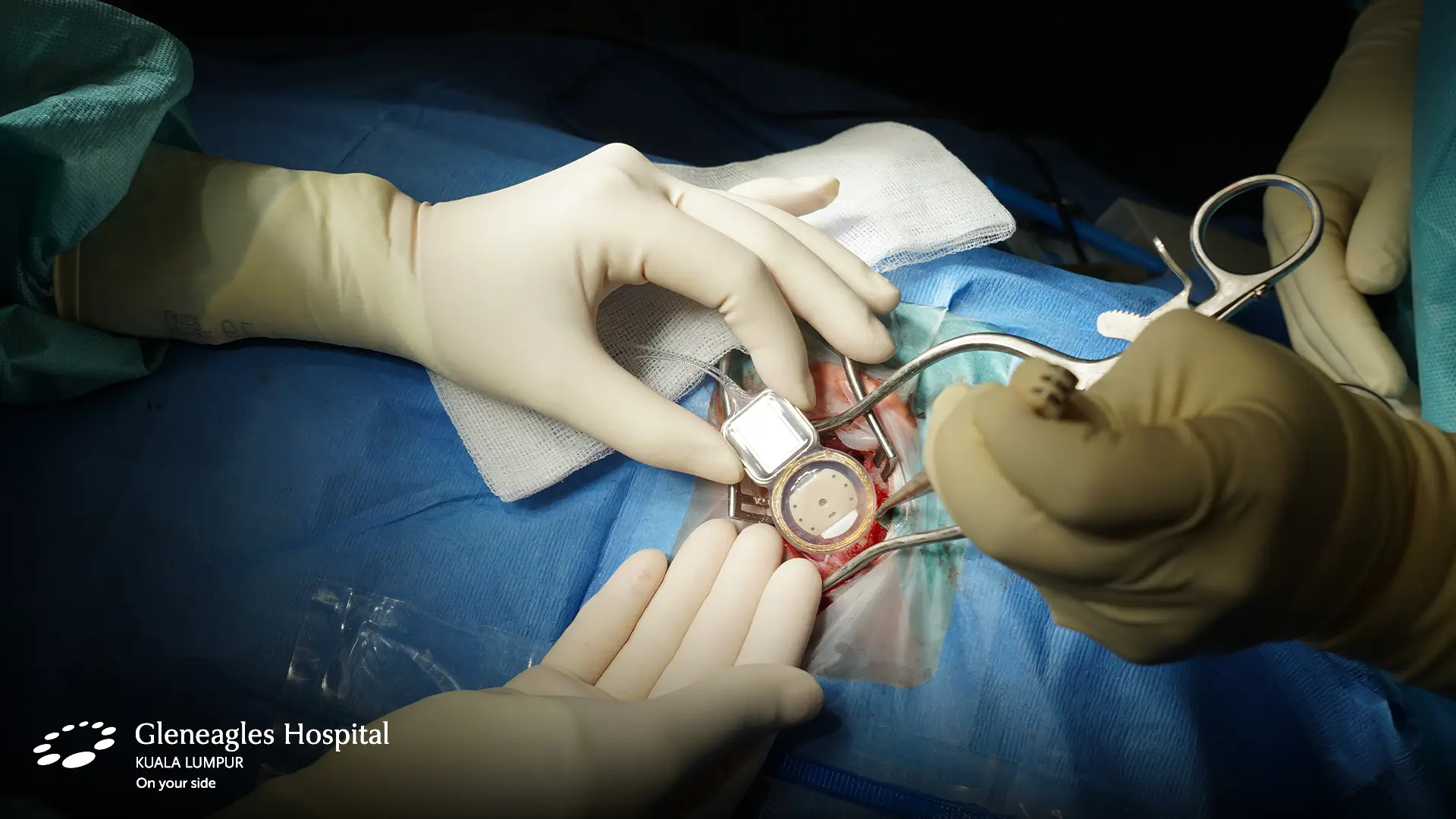
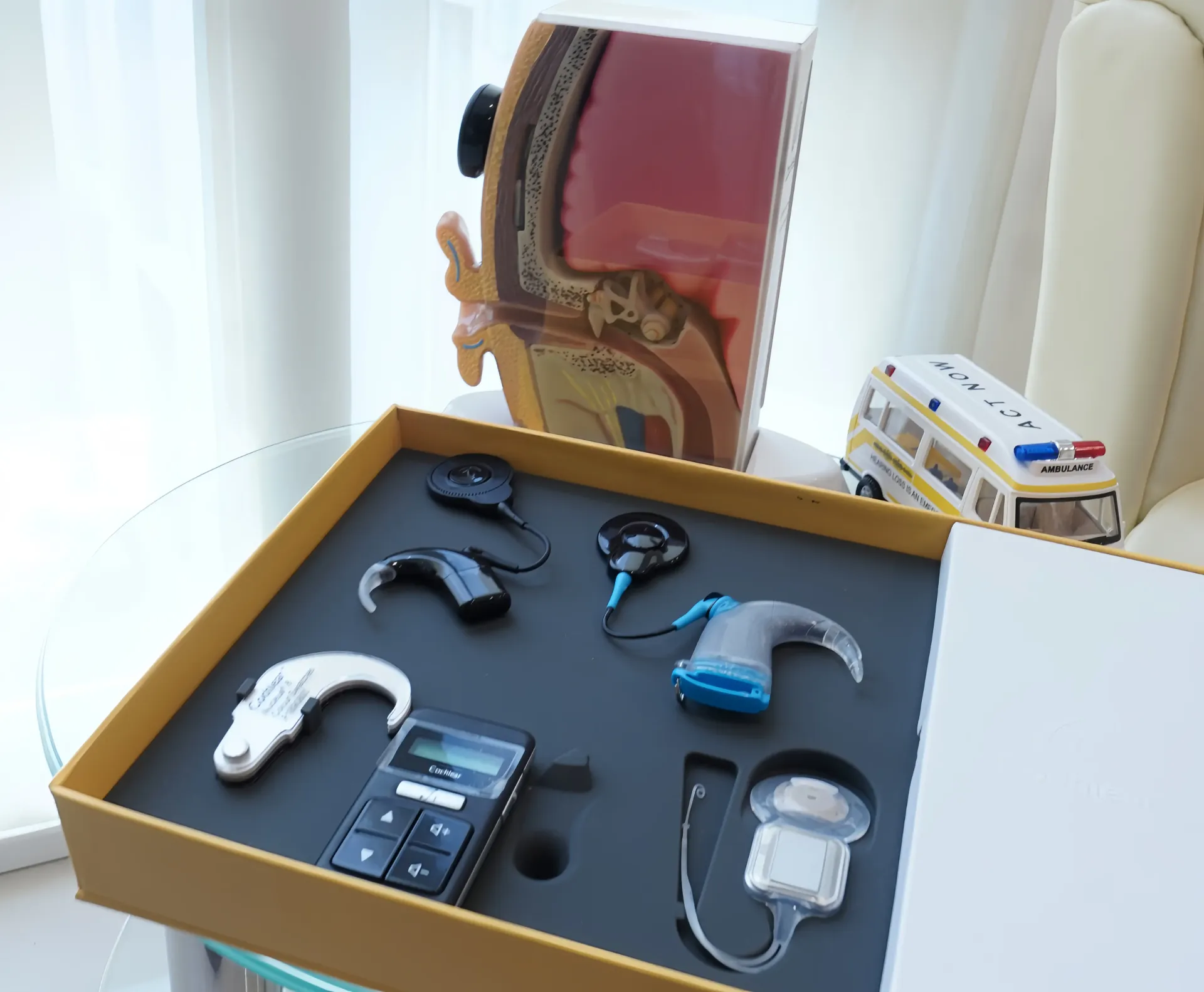
A cochlear implant consists of two main components: external and internal parts, which work together to restore hearing.
External component (worn outside the ear):
• Microphone – picks up sounds from the environment
• Sound processor – converts sound into digital signals
• Transmitter coil – sends signals to the internal implant
Internal component (surgically implanted):
• Receiver/stimulator – receives signals from the external processor
• Electrode array – placed inside the cochlea to stimulate the hearing nerve
These signals are then sent to the hearing centre in the brain, where they are interpreted as sound.
The initial result may not be identical to natural hearing, but with audiological and speech rehabilitation, many patients can understand speech, recognise voices, and reconnect with everyday life as usual.
Hearing with two ears provides important advantages that one ear alone cannot fully achieve.
Benefits of bilateral cochlear implants include:
With only one implant, patients may still struggle in crowded environments. Bilateral implantation allows the brain to process sound from both sides, similar to natural hearing.
This is especially important for children, whose hearing is critical for speech and language development, as well as for adults who wish to maintain independence and communication ability.
Modern cochlear implants continue to evolve, offering smarter and more adaptable hearing solutions.
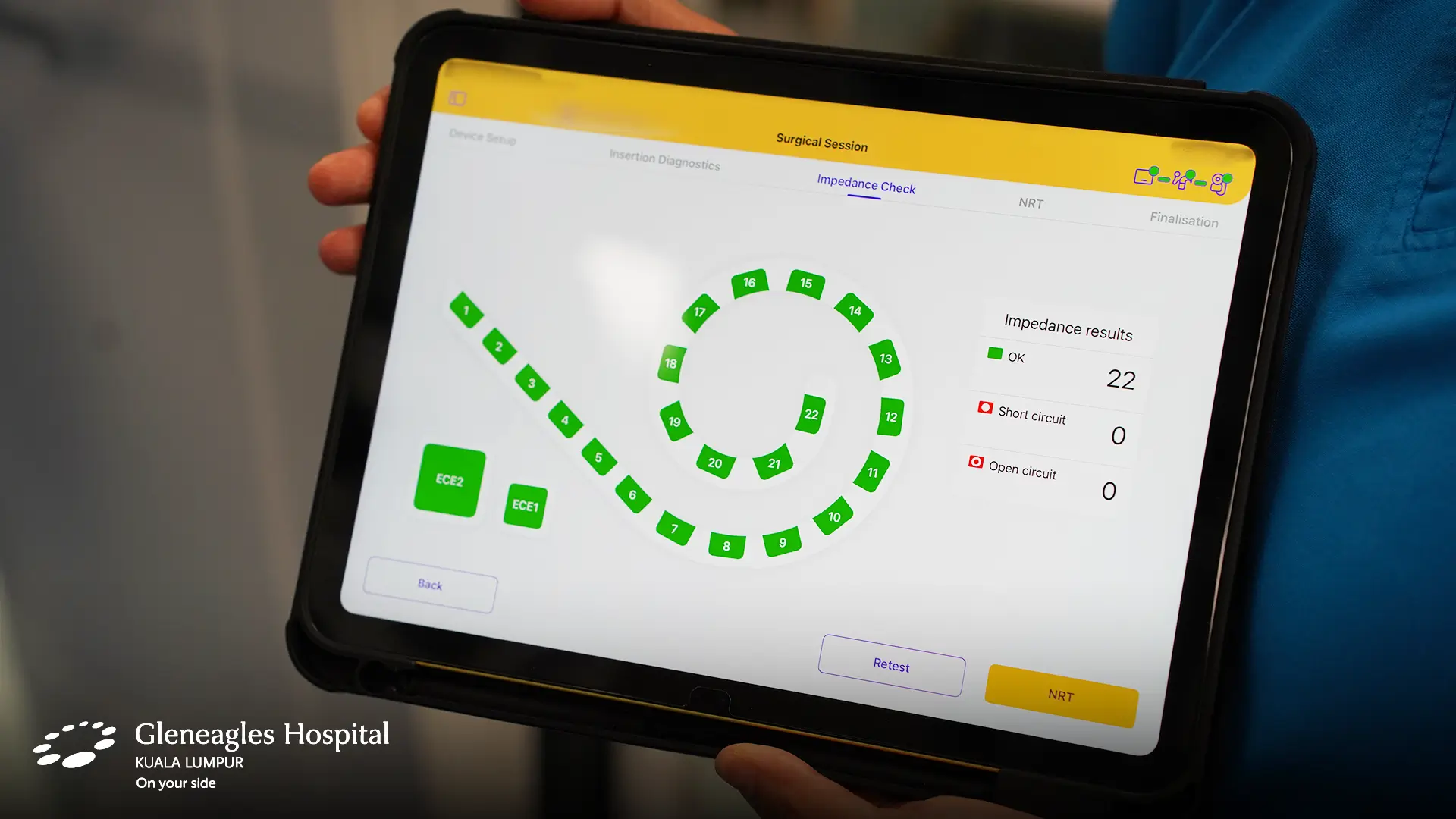
The Nucleus® Nexa™ Smart Cochlear Implant represents the latest advancement in cochlear implant technology.
Key features include:
This advanced technology helps patients experience sound more clearly and comfortably in daily life, whether during conversations, at work, or in social environments.
Bilateral cochlear implants may be recommended for:
Assessment by an ENT specialist, audiologist and speech therapist is essential to determine suitability and expected outcomes.
Early intervention often leads to better hearing and communication results.

Severe hearing loss can affect communication, confidence, and quality of life. Cochlear implants offer a powerful solution, and bilateral implantation provides even greater benefits by restoring more balanced and natural hearing.
With innovations such as the Nucleus® Nexa™ Smart Cochlear Implant, patients today can experience clearer sound, improved speech understanding, and greater connection to the world around them.
If you or your loved one is experiencing significant hearing loss, consult our ENT specialists at Gleneagles Hospital Kuala Lumpur to learn more about cochlear implant options and whether bilateral implantation may be suitable.
Because hearing is not just about sound, it’s about reconnecting with life.

.webp?sfvrsn=de17c38c_9)

Wait a minute
Wait a minute