Hospitals
Specialties & Packages
Our Services
Health Hub
Patients & Visitors



 EN
EN
 e-Shop
 Find A Doctor
 Request an Appointment
 International Patient
 +607 560 1000
 +607 560 1111


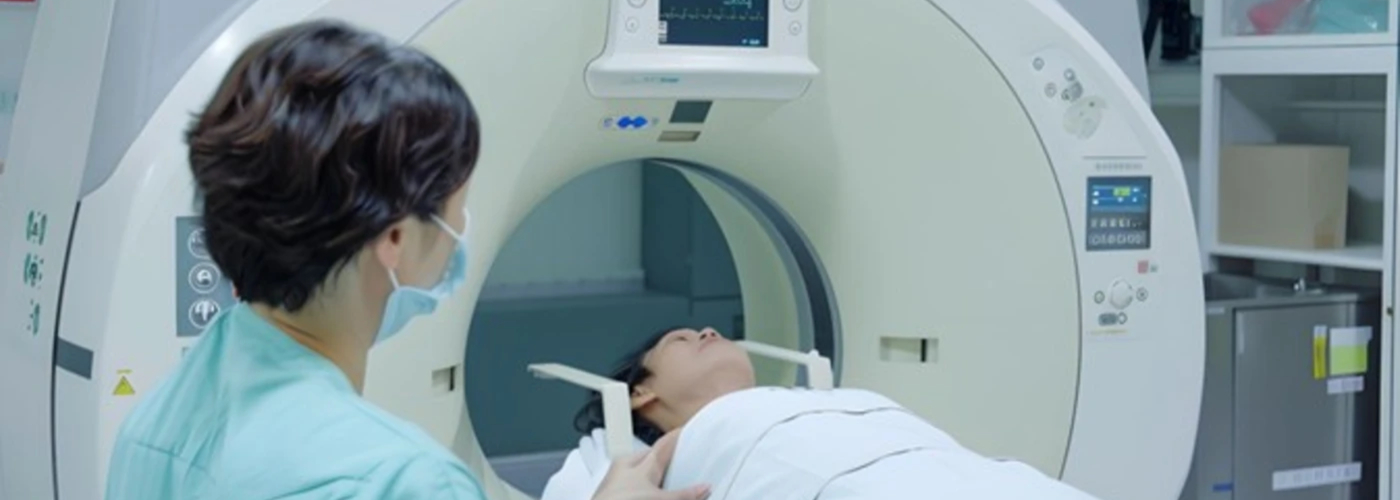
A computerised tomography (CT) scan is a medical imaging method that produces finely detailed cross-sectional images of the body using X-rays and computer processing. These pictures, sometimes referred to as "slices", give medical professionals a good glimpse of internal organs, bones, and soft tissues, aiding in the diagnosis and monitoring of a variety of ailments.
Medical imaging has transformed the way doctors understand the human body, and among the most reliable tools is the CT scan. While most people know it involves a special type of X-ray, the experience of actually going through one can feel unfamiliar or even intimidating. Looking at a CT scan from a patient’s perspective helps clear doubts, reduce anxiety, and highlight why this test has become so important in modern medicine.
Doctors rely on CT scans to get a deeper look inside the body when standard X-rays don’t provide enough detail. These scans produce cross-sectional images that can reveal issues with bones, blood vessels, organs, and soft tissues. They are especially valuable in emergencies, where quick and accurate results can guide immediate treatment.
For example, a patient rushed to the hospital after a car accident may undergo a CT scan to check for internal bleeding. Similarly, someone with unexplained headaches might be referred for a brain CT to rule out conditions like stroke or tumors. In each case, the scan becomes the turning point that directs medical decisions.
From a patient’s point of view, preparation is usually straightforward. Depending on the type of CT scan, doctors may ask for a few adjustments:
The healthcare team will also ask about allergies, kidney problems, or pregnancy, since these factors can influence the safety of the procedure.
One of the most common concerns patients express is about the scanner itself. Despite its large, circular shape, a CT scanner is not a closed tunnel like an MRI machine. This makes it much less claustrophobic.
The process usually unfolds like this:
Overall, the procedure is painless and much faster than many expect.
Once the scan is complete, patients can usually return to normal activities. If contrast dye was given, drinking extra fluids helps flush it out of the system. The images themselves are reviewed by a radiologist, who prepares a detailed report for the referring doctor.
For the patient, this stage can feel like the longest — waiting for results. Yet, the clarity of CT imaging often provides the answers doctors need to confirm a diagnosis or move forward with treatment.
Receiving the results of your CT scan usually takes one to two weeks, but depending on your location and level of urgency, it may take up to four weeks. After reviewing the pictures, a radiology professional will forward the results to your referring physician.
A follow-up appointment could be necessary to discuss the findings. After four weeks, get in touch with the physician who recommended you if you haven't heard anything. Depending on the reason for your CT scan, they will go over the results and the next steps, which can involve other tests.
Don't be afraid to consult a healthcare provider if you have any issues or don't understand your results.
From a patient’s perspective, the value of a CT scan lies in its ability to remove uncertainty. Instead of guessing what might be wrong, doctors can pinpoint problems with precision. This accuracy often saves time, avoids unnecessary surgeries, and improves the chances of effective treatment.
CT scans also play a role in monitoring progress. For instance, a cancer patient may undergo periodic scans to track whether treatment is working. In such cases, the scan becomes more than just a test — it becomes a marker of hope and progress.
It’s natural to wonder about the risks, particularly radiation exposure. While CT scans do use higher doses than standard X-rays, doctors only recommend them when the potential benefits outweigh the risks. Modern machines are also designed to minimize exposure without compromising image quality.
Allergic reactions to contrast dye are rare but possible, so patients should always share their full medical history with their doctor beforehand.
Technology continues to refine CT scanning. Newer models are faster, more precise, and safer, making them increasingly patient-friendly. Innovations such as low-dose scanning and AI-assisted interpretation are set to improve both comfort and accuracy in the years ahead.
For many patients, a CT scan is more than just a medical test — it’s the bridge between uncertainty and clarity. By offering detailed images of the body’s inner workings, it helps doctors uncover hidden problems and design the right treatment path. Understanding what to expect before, during, and after the scan can ease worries and highlights just how valuable this procedure is in safeguarding health.
Get in touch with us to book an appointment with radiologists at Gleneagles Hospital Johor today. We assure you the best possible care tailored to your specific needs.

Wait a minute