EN
EN

Hospitals
Specialties & Packages
Our Services
Health Hub
Patients & Visitors



 e-Shop
 Find A Doctor
 Request an Appointment
 International Patient
 +607 560 1000
 +607 560 1111


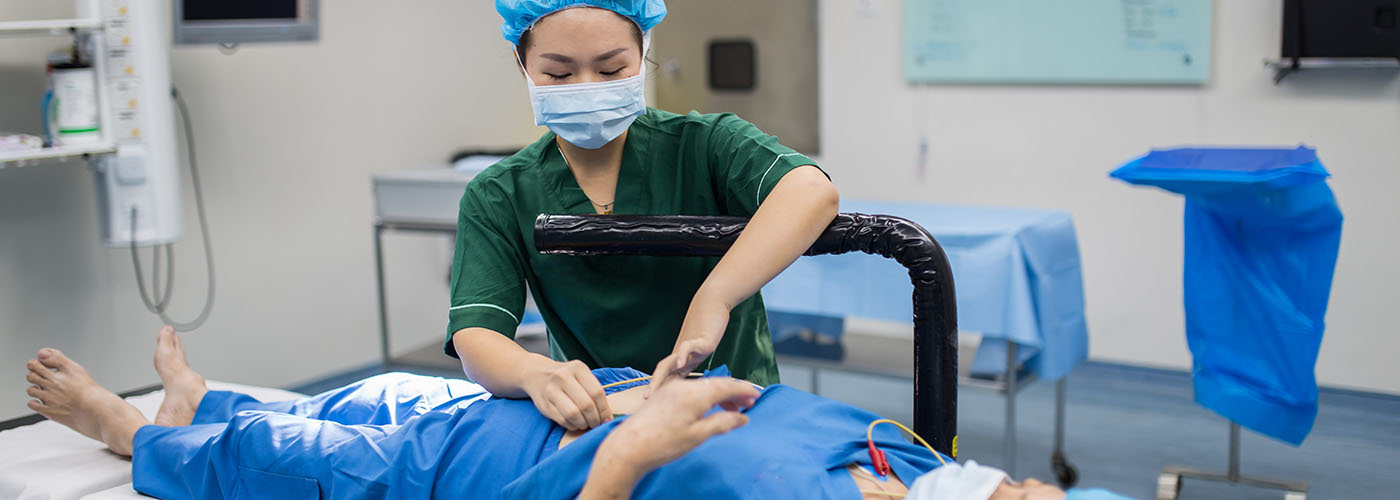
A gastroenterologist is a medical doctor who specialises in the diagnosis and treatment of diseases affecting the digestive system, including the esophagus, stomach, intestines, liver, gallbladder, and pancreas.
At Gleneagles Hospital Johor, the gastroenterologists specialise in diagnosing and treating a wide range of gastric and digestive disorders that affect the gastrointestinal tract, including the organs from the mouth to the anus, ranging from indigestion to abdominal pain, appendicitis, jaundice, gallstones, lactose intolerance, hepatitis, reflux, ulcers, and hemorrhoids.
Understanding the signs and symptoms of gastrointestinal diseases is crucial for early detection and effective treatment. Common symptoms include:
Haemorrhoids which are also known as piles, are swollen veins in the lower rectum or anus. It can develop around the anus or inside the rectum.
Haemorrhoid’s symptoms include:
It is important to seek immediate medical attention if you experience large amounts of rectal bleeding, dizziness, or light-headedness. This could indicate a more severe condition requiring prompt treatment.
IBD are disorders represented by chronic inflammation of the digestive tract, such as ulcerative colitis and Crohn’s disease. IBD can lead to debilitating, life-threatening complications if it is not treated
IBD symptoms include:
Symptoms can vary depending on how severe the inflammation is, as well as the location in which it occurs. A person with IBD can also have times of remission and times when the illness is active.
Diverticulosis is a condition characterised by small, bulging pouches that form on the digestive system lining, known as diverticula. Diverticulitis occurs when these pouches are inflamed or infected.
Diverticulitis symptoms include:
IBS is a condition that affects the digestive system. While it does not cause any changes to bowel tissues or increase the risk of colorectal cancer, it can be frustrating to live with.
Symptoms of IBS include:
More serious signs that should be treated immediately include:
With gastroesophageal reflux disease (GERD), stomach acid flows back into the esophagus, causing acid reflux and irritating the esophagus lining.
Common symptoms include:
Acid reflux in during the night can result in:
Colon cancer typically starts in the large intestine, which is the final part of the digestive tract. Colorectal cancer refers to cancer that affects both the colon and the rectum. While it usually affects older adults, colon and colorectal cancer can occur at any age.
Colon cancer is sometimes called colorectal cancer, which is a term that combines colon cancer and rectal cancer, which begins in the rectum.
Colorectal cancer symptoms include:
Some people do not experience any symptoms in the early stages of colon cancer. Symptoms may also vary for different individuals. The best way to catch this disease is through regular screening, especially if you have risk factors such as a family history of it.
Gastric health refers to the well-being of your stomach and the digestive system, including conditions like gastritis, acid reflux, gastric ulcers, and GERD. These conditions can cause symptoms such as heartburn, stomach pain, bloating, nausea, and indigestion.
The gastrointestinal tract plays a vital role in sustaining health and wellness, starting with water and food. Our digestive process provides us with the foundation to live and carry out daily functions while staying healthy and happy. These few important factors should be taken into consideration to maintain healthy gastrointestinal health:
Are you or a loved one facing any of these gastrointestinal concerns? Our dedicated team of multidisciplinary healthcare professionals is ever-ready for consultation. Learn more at your nearest Gleneagles Hospital Johor.
We aim to restore your digestive health and get you back on track with your regular, healthy daily life activities. Each treatment option like these listed below, will be recommended by the top gastroenterologist, largely depending on your individual condition, health, and medical history.
Prescription drugs to neutralise, reduce, and block excessive stomach acid production may be prescribed. Drastic measures include surgery and procedures such as these listed below may be recommended:
Stage 1 and 2 hemorrhoid development may require lifestyle changes and minor medical treatment which may include diets with high fibre foods, the usage of topical treatments, warm water soaks and anal area cleanliness. Haemorrhoid symptoms often go away within one or two weeks.
However, if persistent bleeding and painful haemorrhoids occur, our specialist team may perform rubber band ligation, in which one or two small bands are placed at the base of the haemorrhoid to cut off blood circulation. Alternatively, injections (sclerotherapy) and coagulation via infrared and/or lasers may be recommended for haemorrhoid size reduction.
If surgery is recommended, the two main options include:
The typical main treatment method for colorectal cancer would be surgery to remove the cancer. Your doctor may also recommend chemotherapy as well as radiation therapy before and after successful surgery.
To treat inflammatory bowel disease (IBD), various drugs may be prescribed to reduce inflammation and suppress the immune system that is causing the inflammation, using antibiotics to treat any related infections. Pain relief as well as anti-diarrhoea medication may also be prescribed.
As bowel rest may reduce inflammation, nutrition through feeding tube inserts or via intravenous injections may be recommended for more severe cases.
For drastic measures, surgery to remove diseased parts of the large and/or small intestine may sometimes be required for much more severe cases.
The easiest path to treatment for the diverticulitis condition would be diet improvement and sometimes antibiotics. Mild cases of diverticulitis infection may only require rest, a liquid diet, stool softeners, and antibiotics. However, surgery may be recommended for more severe cases along with a course of antibiotics and intravenous nutrition.
Changes in your diet, or completely removing foods that cause bloating may be recommended by your doctor. Depending on your range of symptoms, fibre supplements, laxative or diarrheal medication may be prescribed to you.
Certain drugs may be prescribed to:
Treatment for gastritis depends on its cause and may include antibiotics, antacids, proton pump inhibitors, and lifestyle changes. If caused by alcohol or medications like ibuprofen, avoiding them is recommended. In severe cases, a gastroenterologist may perform a gastroscopy for further evaluation.
At Gleneagles Hospital Johor, we provide the best diagnostic and screening services for gastrointestinal conditions in a modern and comfortable setting. Your test results will be reviewed by gastroenterology doctors who will explain and offer the necessary treatment options based on your ailment, lifestyle, and/or risk factors.
Given the variety of symptoms associated with gastrointestinal diseases, a proper diagnosis starts with an in-depth assessment by a gastroenterologist. This includes discussing your family medical history prior to a physical examination. Additional lab tests and imaging may be required, such as these below, to confirm the diagnosis:
Endoscopy diagnosis allows for the scrutiny of the stomach and digestive tract. A long instrument resembling a long tube with a camera called an endoscope is used to take images of the gastrointestinal environment. For further diagnosis, biopsies may be taken for microscopic examination to help in cancer cell detection.
Computed Tomography (CT) and Magnetic Resonance Imaging (MRI) scans provide specialists with a cross-sectional view of the abdominal organs. This then helps them visualise the conditions of the internal structures of the body.
Stool analysis is often used to check faecal occult blood tests for colorectal screening. This test can help assess the patient's gut health by taking into consideration the change in acidity (pH), colour, and consistency of stools. The presence of mucus, red and white blood cells, sugar, fat, and bile can help further understand the causes of indigestion, constipation, diarrhea, mal-absorption, and infection.
Liver function tests, blood counts, and pancreatic enzyme tests can help determine conditions such as parasitic, viral, or bacterial infections, lactose intolerance, celiac disease, and diarrhoea. These blood tests may often help exclude other serious illnesses.
Sound waves are used to produce dynamic images of organs that may not be accessed via other conventional means, such as the gallbladder, pancreas, and liver.
Colonoscopy is a medical test used to detect polyps and other various abnormal gastrointestinal growth. A camera is embedded at the end of a flexible tube, which is then inserted via the anus. This allows specialists to visually examine the large intestine and parts of the small intestine for any abnormalities.
At Gleneagles Hospital Johor, we understand the importance of maintaining a healthy digestive system. With state-of-the-art facilities and a team of experienced specialists, we are committed to providing the highest standard of care for conditions like gastroesophageal reflux disease (GERD), inflammatory bowel disease (IBD), colon cancer, and more. Contact us today to schedule an appointment and receive the expert care you deserve for your digestive health.
For expert care in digestive health, visit the best gastroenterologists near you in Johor at Gleneagles Hospital. Schedule an appointment today for personalised treatment.


Wait a minute