What is Iron Deficiency Anaemia (IDA) and Hemolytic Anaemia?
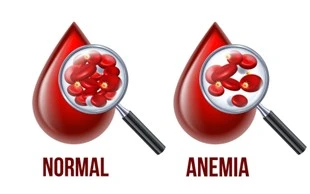
Iron Deficiency Anaemia (IDA) is one of the most common nutritional disorders worldwide, affecting people of all ages and backgrounds. It occurs when the body lacks adequate iron to produce sufficient haemoglobin, the protein in red blood cells that carries oxygen throughout the body. Without enough iron, the body struggles to deliver oxygen to tissues and organs, leading to fatigue, weakness, and other health complications.
Hemolytic Anaemia occurs when red blood cells are destroyed faster than the body can produce them. This rapid destruction leads to a shortage of healthy red blood cells, impairing the body’s ability to carry oxygen. Common causes include autoimmune diseases, infections, or inherited conditions like sickle cell disease.
Causes and Risk Factors
Several factors can contribute to the development of IDA. Poor dietary intake is one of the most common causes, especially in individuals who consume limited amounts of iron-rich foods such as red meat, poultry, fish, or leafy greens. Blood loss is another major factor, whether due to heavy menstrual periods, gastrointestinal bleeding, or surgery. Pregnant women are also at higher risk, as their bodies require more iron to support both maternal health and fetal growth. Additionally, certain medical conditions, such as peptic ulcers, inflammatory bowel disease, or celiac disease, may hinder the body’s ability to absorb iron effectively.
Iron Deficiency Anaemia Causes
- Low Iron Diet: Common among vegetarians and vegans who do not receive enough plant-based iron or supplements.
- Poor Iron Absorption: Conditions like Crohn's disease, celiac disease, or gastric bypass surgery can reduce the body’s ability to absorb iron.
- Reduced Iron Absorption: Conditions such as Crohn's disease, celiac disease, and gastric bypass surgery might impair the body's ability to absorb iron.
- Increased Iron Demand: Pregnancy, childhood growth spurts, and puberty raise the body's iron requirements.
- Blood Loss: Heavy menstruation, gastrointestinal bleeding, or serious trauma can all cause iron deficiency.
Hemolytic Anaemia Causes
- Premature Red Blood Cell Destruction: Caused by autoimmune illnesses, infections, or genetic conditions like sickle cell disease.
- Medications: Certain medications, such as antibiotics and antimalarials, can cause hemolysis (the destruction of red blood cells).
- Infections: Certain infections, such as malaria or parvovirus, can cause red blood cells to be destroyed prematurely.
Each type of anemia has its own set of causes, which can aid in the accurate diagnosis and treatment of the problem.
Signs and Symptoms
The symptoms of iron deficiency anaemia often develop gradually and may be overlooked in the early stages. Common signs include persistent tiredness, dizziness, shortness of breath, and pale skin. Some individuals may notice brittle nails, hair loss, or cold hands and feet. In severe cases, IDA can cause chest pain, irregular heartbeat, or unusual cravings for non-food substances such as ice or clay (a condition known as pica). Recognising these symptoms early is important, as untreated anaemia can lead to serious health complications.
Iron Deficiency Anaemia Symptoms
- Fatigue
- Headache
- Weakness
- Irritability
- Shortness of breath
- Difficulty during exercise
- Brittle nails
- Sore tongue
- Restless legs syndrome
Unusual symptoms may also appear, such as pica (cravings for non-food substances such as cornstarch, clay, or dirt) and pagophagia (an unusual need to chew on ice).
Symptoms of Hemolytic Anaemia
- Fatigue and weakness
- Pale or yellow complexion
- Shortness of breath
- Rapid heartbeat
- Dark urine (caused by the breakdown of red blood cells)
- An enlarged spleen or liver
- Dizziness or lightheadedness
These symptoms occur when the body is unable to maintain an adequate number of healthy red blood cells for oxygen transport.

Diagnosis and Testing
Diagnosing IDA typically involves a physical examination and blood tests. A complete blood count (CBC) is commonly used to measure haemoglobin and haematocrit levels. Low results may indicate anaemia. Additional tests, such as serum ferritin and transferrin saturation, help confirm iron deficiency and rule out other potential causes. Doctors may also investigate underlying conditions that contribute to blood loss or poor absorption.
Treatment Options
The main goal of treatment is to restore healthy iron levels and address the root cause of deficiency. For most patients, oral iron supplements are the first line of treatment. These should be taken as prescribed, often with vitamin C to enhance absorption. In more severe cases, intravenous iron therapy or blood transfusions may be required. At the same time, dietary changes play a vital role in long-term management. Incorporating foods rich in heme iron (found in animal products) and non-heme iron (found in plant sources like beans, lentils, and fortified cereals) helps support recovery. Avoiding excessive tea or coffee intake during meals can also improve iron absorption.
Prevention and Lifestyle Measures
Preventing iron deficiency anaemia often involves adopting a balanced diet with adequate iron intake. Women of childbearing age, pregnant women, and individuals with chronic conditions should have regular check-ups to monitor their iron levels. Education on proper nutrition, supplementation when necessary, and timely medical care can significantly reduce the risk of developing this condition.
Schedule an Appointment for Anaemia Treatment at Gleneagles Hospital Johor
Iron Deficiency Anaemia is highly manageable when detected early. By recognising symptoms, seeking timely medical advice, and making conscious dietary and lifestyle changes, individuals can restore their energy levels and improve overall health. Addressing IDA is not only important for personal well-being but also crucial for reducing the global burden of nutritional deficiencies.
Get in touch with us to book an appointment with haematologists at Gleneagles Hospital Johor today. We assure you the best possible care tailored to your specific needs.




 EN
EN
 e-Shop
 Find A Doctor
 Request an Appointment
 International Patient
 +607 560 1000
 +607 560 1111