Hospitals
Specialties & Packages
Health Hub
Patients & Visitors



 EN
EN
 e-Shop
 Find A Doctor
 Request an Appointment
 International Patient
 +6088 518 888
 +6088 518 911



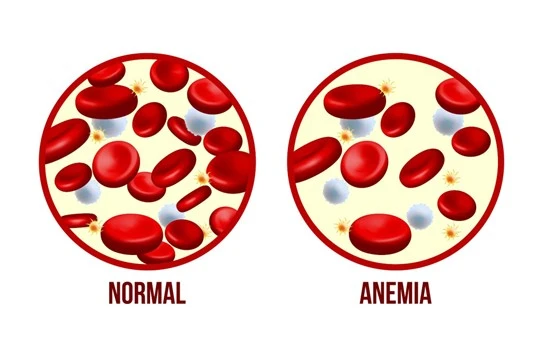
Anaemia, particularly iron deficiency anaemia, is a condition that can quietly affect daily life if left unchecked. It happens when the body does not have enough iron to produce haemoglobin, the substance that allows red blood cells to carry oxygen. Without sufficient oxygen, energy levels drop, leaving people feeling constantly drained. The good news is that lifestyle adjustments, paired with proper medical care, can play a big role in managing and preventing this condition. Common types of anaemia include iron deficiency anaemia, vitamin B12 deficiency anaemia, and hemolytic anaemia.
Iron deficiency anaemia develops when the body does not have enough iron to create adequate hemoglobin. Haemoglobin is the protein in red blood cells that transports oxygen. A shortage of haemoglobin causes fewer and smaller red blood cells to be generated, resulting in a variety of symptoms and health issues.
Vitamin B12, or folate (Vitamin B9) deficiency anaemia occurs when these necessary vitamins are insufficient, resulting in the formation of big, immature red blood cells. These unusually large red blood cells cannot function properly, affecting the body's ability to carry oxygen, resulting in symptoms such as weariness and weakness.
Hemolytic anaemia occurs when the body breaks down red blood cells more quickly than it can make new ones. The body's capacity to deliver oxygen is hampered by this quick breakdown, which results in a lack of healthy red blood cells. Autoimmune diseases, infections, and hereditary disorders including sickle cell disease are common causes.
Although iron deficiency anemia frequently has no overt symptoms, common indicators include:
Pica (cravings for non-food substances like cornstarch, mud, or dirt) and pagophagia (an uncommon urge to chew on ice) are examples of unusual symptoms.
A healthy neurological system depends on vitamin B12 and folate. A lack of either can cause a number of symptoms, such as:
These symptoms can manifest even in the absence of anemia, underscoring the need of vitamin B12 and folate for general health.
Hemolytic anemia symptoms can include:
The body's incapacity to produce enough healthy red blood cells for the transportation of oxygen causes these symptoms.
Anaemia is not only about medical treatment; it is also about how daily habits support overall health. Diet, exercise, rest, and self-care all influence how the body responds to iron deficiency. By making smart lifestyle choices, individuals can improve their energy, reduce symptoms, and prevent anaemia from becoming a recurring problem.
Food is one of the most powerful tools against anaemia. Building meals around iron-rich ingredients helps the body maintain healthy red blood cell levels. Lean meats, liver, fish, and poultry are excellent sources of heme iron, which is easily absorbed. For those who prefer plant-based diets, lentils, chickpeas, spinach, tofu, and fortified cereals provide non-heme iron, though pairing them with vitamin C-rich foods such as oranges, kiwi, or bell peppers improves absorption.
Equally important is knowing what to limit. Drinks like tea and coffee can reduce the body’s ability to absorb iron when taken with meals. Spacing them out or switching to herbal alternatives can make a noticeable difference in iron levels over time.
While fatigue is a common symptom of anaemia, gentle physical activity can help improve stamina and overall circulation. Light exercises such as walking, stretching, or yoga support energy without straining the body. The key is balance—listening to the body and avoiding overexertion. Over time, as iron levels improve, individuals often find they can gradually increase their activity.
Sleep is an often-overlooked part of managing anaemia. Because the body is working harder to supply oxygen, rest becomes crucial. Setting a consistent bedtime, creating a calm sleeping environment, and aiming for quality sleep allow the body to repair and restore energy.
Even with a healthy lifestyle, some people may still need medical support. Regular health check-ups help track iron levels and detect anaemia early. For those at higher risk—such as women with heavy menstrual cycles, pregnant women, or individuals with digestive conditions—iron supplements may be recommended. Following medical advice closely ensures safe and effective recovery.
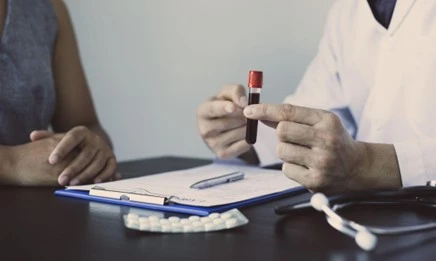
Physical examinations and blood testing are commonly used to diagnose anaemia. A complete blood count (CBC) is frequently used to assess haemoglobin and haematocrit levels. Low findings could indicate anemia. Additional tests, such as serum ferritin and transferrin saturation, can establish iron deficiency and rule out alternative reasons. Doctors may also look into underlying issues that contribute to blood loss or poor absorption.
Treatment for iron deficiency anemia will address both the underlying cause and the iron deficit itself.
A diet to improve iron levels should focus on increasing iron-rich foods—such as red meat, poultry, fish, beans, tofu, lentils, spinach, and fortified cereals—while pairing them with vitamin C–rich options like citrus fruits, tomatoes, and bell peppers to enhance absorption. At the same time, substances that inhibit iron absorption, including high-fibre foods, tea, coffee, and calcium supplements, should be avoided around iron-rich meals.
Oral iron supplements are the standard treatment for most cases of iron deficiency anaemia and iron deficiency without anaemia, though they may cause side effects such as heartburn, stomach pain, constipation or diarrhoea, nausea, vomiting, and darker stools. For those who struggle with daily dosing, taking supplements every other day or on set days of the week can still be effective, and iron absorption can be enhanced by taking vitamin C supplements on an empty stomach.
Intravenous (IV) iron is used when oral iron is ineffective, not well tolerated, or when a faster increase in iron levels is needed, such as in severe anaemia, malabsorption disorders, or chronic kidney disease.
Treatment options include managing excessive menstrual bleeding, gastrointestinal bleeding, and other causes of persistent blood loss, as well as long-term conditions including Crohn's disease, celiac disease, or chronic renal disease that may impair iron absorption.
Blood transfusions may be needed for quick stabilisation in severe anaemia, especially when symptoms like shortness of breath, chest pain, or extreme fatigue are present, and doctors will follow up with blood tests to monitor ferritin, haemoglobin, and haematocrit levels to ensure the treatment is effective.
Living with anaemia can be challenging, but it is not a life sentence. Small, consistent lifestyle choices—balanced nutrition, mindful rest, and gentle physical activity—can transform how the body copes with iron deficiency. With the right approach, it is possible not only to manage anaemia but also to regain vitality and lead a healthier, more energetic life.
Get in touch with us to book an appointment with haematologists at Gleneagles Hospital Kota Kinabalu today. We assure you the best possible care tailored to your specific needs.

Wait a minute
Wait a minute